Kerala travel advice: essential tips for planning a safe and memorable trip

Table of Contents:
- Key Takeaways
- Plan your trip from the UK
- Choose the best time to visit Kerala
- Allow for flight times and connections
- Match your itinerary to your travel pace
- Decide whether to book independently or use a tour operator
- Check entry requirements and travel documents
- Confirm visa rules before you book
- Check passport validity and entry conditions
- Arrange suitable travel insurance
- Keep copies of important documents
- Prepare for health and safety
- Speak to a travel health professional before departure
- Protect yourself from mosquitoes and the tropical sun
- Take sensible precautions around food and water
- Know how to get help in an emergency
- Get around Kerala with confidence
- Compare trains, buses, taxis and private transfers
- Plan journeys around traffic and travel times
- Understand local driving conditions before hiring a vehicle
- Use reputable operators for boats and backwater trips
- Plan for Kerala’s weather and activities
- Understand monsoon seasons and regional differences
- Pack for heat, rain and air-conditioned transport
- Check conditions before trekking or visiting the coast
- Leave flexibility for weather-related changes
- Manage money, communication and local customs
- Plan how to access and carry money
- Choose a mobile data and connectivity option
- Dress respectfully at religious sites
- Learn a few useful Malayalam words
- Conclusion
- Frequently Asked Questions
- What is the best time of year to visit Kerala?
- Do UK travellers need a visa for Kerala?
- How many days should you spend in Kerala?
- Is Kerala easy to explore without a car?
- What should you pack for Kerala?
- Should you arrange travel insurance for a Kerala trip?
- What should you know about local customs in Kerala?
Key Takeaways
A little preparation makes it easier to enjoy Kerala at your own pace. Check current official guidance before you travel, then leave room in your plans for the state’s varied landscapes and weather.
Check the season, flight connections and journey times before settling on an itinerary.
Confirm visa and passport requirements using current official information.
Speak to a travel health professional and arrange insurance suited to your plans.
Use reputable transport and activity providers, and allow extra time for road journeys.
Pack for heat and rain, carry money thoughtfully and approach local customs with respect.

Plan your trip
Kerala rewards a trip shaped around your interests rather than a race between famous stops. From the coast and backwaters to the Western Ghats, distances and travel times can make a short itinerary feel fuller than it looks on a map. Start with the experience you most want, then build in pauses for meals, local life and the occasional change of plan. This Kerala travel advice guide can help you turn that first idea into a trip that feels manageable.
Choose the best time to visit Kerala
Kerala’s seasons affect what you can comfortably do, but the right time depends on your priorities: beach days, cooler hill-country walks, wildlife, or a quieter stay. Rainfall patterns vary by region, and conditions can shift, so compare the broad seasonal picture with the places you plan to visit. A Kerala seasonal guide can help you weigh weather, activities and timing before you choose dates.
Use this broad guide as a starting point rather than a promise of particular conditions. Check forecasts and local advice nearer your departure, especially if your plans depend on outdoor activities.
Period to consider | Broad conditions | Planning thought |
|---|---|---|
Drier months | Often more suitable for outdoor plans | Book popular stays and activities ahead |
Southwest monsoon | Rain can be frequent in many areas | Keep plans flexible and check local conditions |
Later rainy period | Weather varies across the state | Confirm conditions for each region |
Hill-country visits | Cooler than the lowlands, with changeable weather | Pack a light extra layer and allow time for travel |
The table is deliberately broad: Kerala’s coast, lowlands and hills do not always share the same weather. Pick dates around the experiences that matter most, then leave some room to adapt.
Allow for flight times and connections
From the UK, your journey will include a long-haul flight and may involve a connection, depending on the route you book. Compare the full journey, not only the time in the air: an awkward connection or a late arrival can affect your first day. If you need to travel onward after landing, allow a comfortable gap rather than assuming every leg will run to schedule.
Check baggage rules and connection details with your airline, and keep essential items in your hand luggage. If you are booking separate tickets, consider what you would do if the first flight were delayed; a little extra time can make the start of the holiday much calmer.
Match your itinerary to your travel pace
A route that links Kochi, the hills and the backwaters can offer a satisfying range of experiences, but every transfer takes time. Choose fewer bases if you prefer slow mornings, time with local hosts or a longer stay in one landscape. Fabulous Kerala offers practical guidance to help travellers discover the state and plan a visit with greater confidence; its balanced Kerala week is one example of how a route can connect several regions.
A useful way to shape your days is to decide what you want each stop to feel like, not just what you want to see. You might build in time for:
A gentle first day after your flight.
A longer stay in the hills or by the water.
Unplanned time for local food and neighbourhood walks.
A buffer before a flight or other fixed booking.
Those pauses are not wasted time. They give you more freedom to enjoy a place rather than watching the clock between transfers.

Decide whether to book independently or use a tour operator
Independent planning gives you control over your route and pace, while a tour operator may be useful if you want help coordinating stays and transport. Think about how much organising you want to do, how comfortable you feel arranging transfers, and whether a particular activity needs advance booking. Ask what is included, what can change, and how support works if plans are disrupted.
You do not have to choose one approach for the whole trip. You could arrange flights and accommodation yourself, then book a local guide or a specific transfer for the parts that need more coordination. A short video can also help you picture the range of landscapes and experiences as you plan.
Check entry requirements and travel documents
Entry rules can change, so treat official information as part of your planning rather than a last-minute formality. Check the requirements that apply to your nationality and travel purpose, and confirm them again before departure. Keep your documents accessible, but store backup copies separately from the originals. A few quiet checks now can prevent avoidable stress later.
Confirm visa rules before you book
Before paying for non-refundable travel, check the current Indian visa rules and the process for your circumstances through official channels. The required visa type and application steps can depend on your reason for travel and other personal details, so do not rely on an old example or another traveller’s experience. Allow time for the application and any requested supporting information.
If your route includes a transit stop, check whether you need to meet any separate transit requirements. Keep a record of what you submitted and any confirmation you receive, and verify that the details match your travel documents.
Check passport validity and entry conditions
Review your passport’s expiry date and the entry conditions that apply to your trip before booking. Requirements can be specific, so use current official guidance rather than assuming that rules are the same as for another destination. Check that names and other details on tickets and documents match, and resolve discrepancies early.
The FCDO’s India travel advice is a useful place to review current guidance, including regional advice and travel disruption information. Recheck it close to departure, since conditions and official advice can change after you make your plans.
Arrange suitable travel insurance
Choose travel insurance that fits the trip you are actually taking, including any planned activities and the length of your stay. Read the policy wording for medical cover, cancellations, baggage and exclusions rather than relying on a headline summary. If you have existing medical needs, check whether you must disclose them or meet other conditions for cover to apply.
Check how the policy treats travel against official advice, and keep the insurer’s contact details somewhere you can access without an internet connection. Insurance is not a substitute for sensible planning, but understanding your cover can make it easier to respond if plans go wrong.

Keep copies of important documents
Keep your passport, visa information, insurance details, flight bookings and key accommodation contacts available during the trip. Store a digital copy securely and, if practical, a separate paper copy; avoid keeping every backup in the same bag as the originals. You may also want to share a basic itinerary with someone at home.
Before leaving, make sure you know how to reach your airline, insurer and accommodation if your phone is lost or unavailable. A simple document routine is easier to maintain than trying to reconstruct details under pressure.
Prepare for health and safety
Health preparation is personal, so plan around your own circumstances and the activities you expect to do. Conditions can vary between city stays, coastal areas and the hills, and advice may change over time. Seek current guidance before departure and take a few practical precautions while travelling. The aim is to feel prepared without letting safety planning overshadow the pleasure of the trip.
Speak to a travel health professional before departure
Arrange a conversation with a travel health professional well before you leave, particularly if you have a health condition, take regular medication or are planning remote activities. They can advise you based on your itinerary and personal needs, including any vaccinations or other measures to consider. Bring your planned route and travel dates so the advice is relevant.
Pack enough regular medication for your trip, together with a copy of prescriptions or other useful medical information. Check any rules that apply to carrying medication across borders, and keep essential supplies in your hand luggage where appropriate.
Protect yourself from mosquitoes and the tropical sun
Hot, humid conditions and time outdoors call for simple precautions. Use a suitable insect repellent as directed, consider clothing that covers exposed skin, and take extra care around dawn and dusk if advised by local guidance. Protect yourself from the sun with shade, suitable clothing and sunscreen, and drink water regularly.
Your plans may take you between exposed coastlines, shaded streets and cooler highland areas, so think about protection as part of what you carry each day. Follow local advice if you are visiting a place where conditions differ from those in the lowlands.
Take sensible precautions around food and water
Enjoying Kerala’s food is part of the experience, and a few sensible habits can help you avoid letting an upset stomach interrupt your plans. Choose food that is freshly prepared and served hot when possible, wash or sanitise your hands before eating, and be cautious about water if you are unsure of its source. Ask about ingredients if you have allergies or dietary requirements.
Take care with ice and uncooked foods if you are uncertain about preparation or storage. If you become unwell, seek appropriate medical advice rather than trying to press on through a busy itinerary.

Know how to get help in an emergency
Before departure, make a note of emergency contacts, your insurer’s assistance number and the contact details for your accommodation. Check current local emergency procedures and keep your phone charged when you are out for the day. If you need help, contact local emergency services or seek assistance from a trusted local source.
A little preparation makes it easier to act calmly if something unexpected happens. Keep these details somewhere easy to find, and let someone you trust know if your plans change significantly.
Get around Kerala with confidence
Kerala’s landscapes invite you to combine different ways of travelling, but a short distance on a map may take longer on the ground. Consider comfort, timing, cost and how much flexibility you want before choosing transport. Booking every transfer in advance is not always necessary, but knowing how you will reach your next stay can reduce uncertainty. Be especially thoughtful when plans involve road travel or water.
Compare trains, buses, taxis and private transfers
Trains and buses can suit some routes, while taxis or private transfers may be more convenient when you have luggage, limited time or several stops. Availability and comfort vary, so compare the whole journey rather than focusing only on the fare. If you are travelling during a busy period, check whether advance reservations are advisable for the service you plan to use.
Option | May suit you when | Check before setting off |
|---|---|---|
Train | Your route connects conveniently to rail | Station, timetable and reservation details |
Bus | You want a public transport option | Route, departure point and likely journey time |
Taxi | You need a direct local journey | Fare arrangement and drop-off point |
Private transfer | You want a pre-arranged trip between stops | Provider details, pickup time and what is included |
The best choice depends on the specific route and day. Confirm pickup arrangements and expected travel time, and keep a little flexibility if you are connecting to a booking or activity.
Plan journeys around traffic and travel times
Road journeys can take longer than you expect, particularly when traffic, weather or stops affect the route. Avoid packing several long transfers into consecutive days, and be cautious about scheduling a tight connection after a road journey. Ask your accommodation or transport provider for a realistic estimate close to the date.
On travel days, keep water and essentials handy, and make sure everyone in your group knows the plan. A slower pace often makes the journey more enjoyable, especially when you are moving between very different parts of Kerala.
Understand local driving conditions before hiring a vehicle
Hiring a vehicle gives you flexibility, but driving in an unfamiliar place requires confidence and close attention. Before deciding, check the local rules, licence requirements, insurance terms and road conditions that apply to your route. Consider whether you are comfortable with unfamiliar traffic patterns and the possibility of narrow or busy roads.
If you have doubts, a different transport option may make the trip more relaxing. Do not assume that a UK licence or insurance policy automatically covers every situation; confirm the details before you commit.
.

Use reputable operators for boats and backwater trips
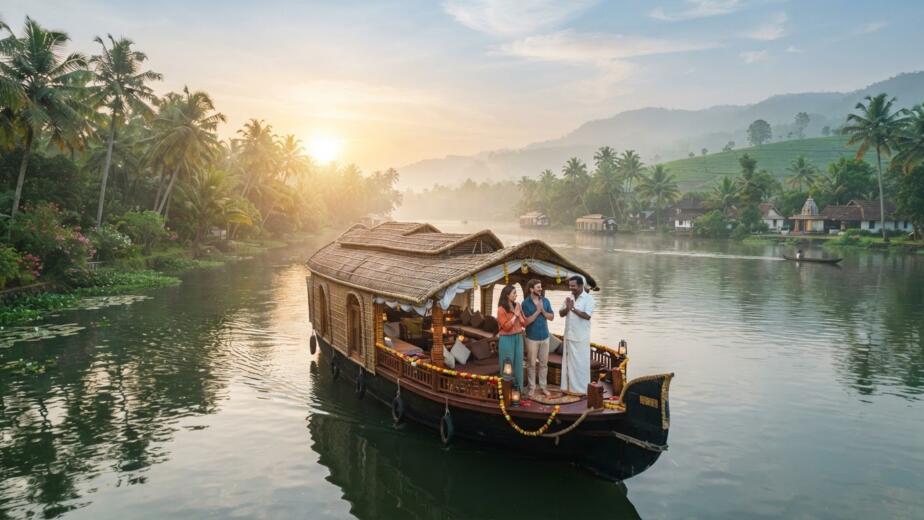
For a boat or backwater excursion, check who is operating the trip, what the fare includes and how safety information is provided. Ask about the route, duration and facilities before booking, and follow the crew’s instructions once aboard. Choose an operator that communicates clearly and is willing to answer practical questions.
A slower boat journey can be a lovely way to notice everyday life along the water, but it is still worth confirming the details rather than relying on assumptions. Keep your belongings secure and bring sun protection and any personal essentials you may need during the outing.
Plan for Kerala’s weather and activities
Kerala’s climate and terrain shape the kind of days you can plan, from humid afternoons near the coast to cooler evenings in the hills. Weather conditions vary by season and region, so one forecast may not describe your whole route. Check current local information before outdoor activities and build some flexibility into your bookings. That approach lets you enjoy the trip without expecting every day to follow the original plan.
Understand monsoon seasons and regional differences
The monsoon brings periods of heavier rain, but its timing and intensity can differ across Kerala. The coast, inland areas and Western Ghats may experience different conditions at the same time, and rain can affect outdoor plans or journey times. Use seasonal patterns to guide your initial choice of dates, then check forecasts and local updates before you travel.
If a particular walk, beach visit or boat trip is central to your holiday, ask local providers about conditions and whether the activity is operating. Fabulous Kerala shares places, traditions, food and stories that can help you understand the wider context of a visit; its Kerala culture guide offers background beyond the itinerary itself.
Pack for heat, rain and air-conditioned transport
Pack light enough to manage between stops, but include layers for different settings. Breathable clothes, rain protection and comfortable footwear are useful starting points, while air-conditioned transport or indoor spaces may feel cooler than the outdoors. If you are heading into the hills, consider an extra layer for evenings and changing conditions.
Keep everyday essentials in a small day bag, including sun protection and any personal medication. A compact umbrella or rain layer can be more useful than trying to predict the weather perfectly in advance.
Check conditions before trekking or visiting the coast
Before a trek, ask about the route, expected duration, current conditions and whether a guide or other preparation is recommended. Choose an activity that suits your fitness and experience, and tell someone where you are going if appropriate. For coastal visits, check local advice about sea conditions and follow any instructions or restrictions in place.
Do not treat a clear morning as a guarantee that conditions will remain unchanged. If the weather, route or sea feels unsafe, change your plans and ask a trusted local provider for advice.
Leave flexibility for weather-related changes
Plan outdoor activities with a backup in mind, particularly if they involve a long transfer or a limited booking window. A museum, cultural performance or relaxed meal can make a pleasant alternative to a day outside, depending on where you are staying. Fabulous Kerala helps people discover Kerala through its places, traditions and stories, so you can use those interests to find a different kind of day if the weather turns.
When you book an activity, check its cancellation or rescheduling terms and how the operator will communicate changes. Flexibility is not a failure of planning; it is a practical way to make a trip work in real conditions.

Manage money, communication and local customs
Everyday details can make a trip feel smoother, especially when you arrive in a new place and are still finding your bearings. Think ahead about how you will pay, how you will get online and what respectful behaviour looks like in different settings. Kerala is diverse, and customs can vary between communities and locations, so follow local guidance rather than assuming one rule applies everywhere. A curious, considerate approach will serve you well.
Plan how to access and carry money
Check with your bank before departure about card use, overseas fees and how to contact them if a card is lost. Carry a sensible mix of payment options, and avoid keeping all your cash and cards together. You may need some cash for smaller purchases or places where card payment is not convenient, but plan how to store it securely.
Use reputable places to exchange or withdraw money, and check the amount before leaving a counter or cash machine. Keep a separate backup payment method in a secure place so that one misplaced wallet does not leave you without options.
Choose a mobile data and connectivity option
Before you leave, compare international roaming with local connectivity options and check whether your phone is compatible with the service you choose. Coverage can vary by area, so download essential bookings, maps and contact details for offline access. Keep your device charged when you are travelling between towns or spending time outdoors.
If you plan to use a local SIM or eSIM, confirm the current requirements and setup process before you rely on it. Tell family or friends how you expect to stay in touch, particularly if your itinerary includes time in rural or hill-country areas.
Dress respectfully at religious sites
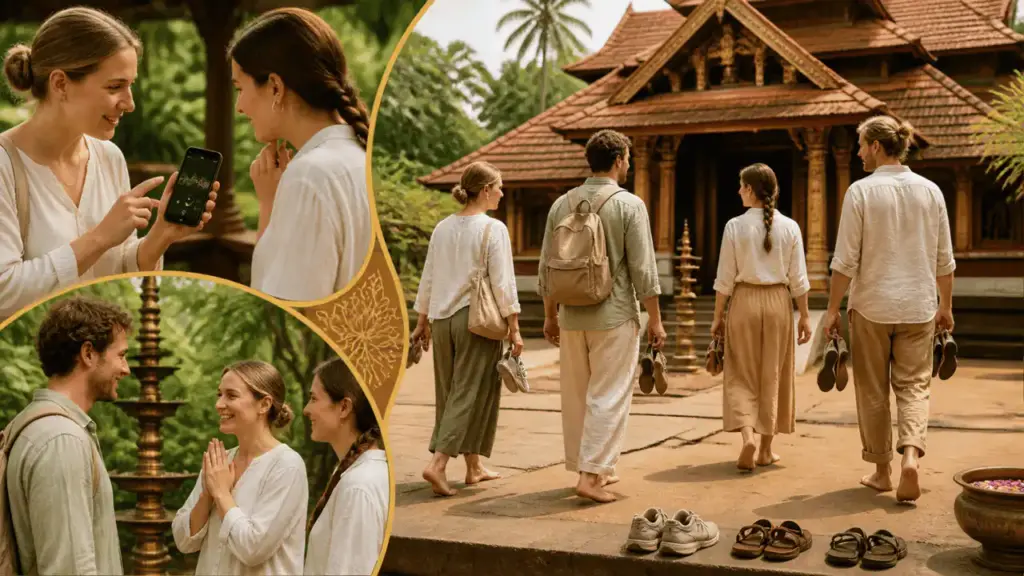
When visiting a temple, mosque, church or other religious place, check the local expectations before you arrive. Modest clothing is a considerate choice, and some sites may have specific rules about footwear, photography or access. Follow notices and guidance from staff or worshippers, and ask politely if you are unsure.
Kerala’s religious and cultural life is varied, so avoid assuming that the same customs apply at every site. Taking a moment to observe and ask can help you visit respectfully and appreciate the place on its own terms.
Learn a few useful Malayalam words
A greeting or a simple expression of thanks can make everyday interactions warmer, even if English is used in many of the places you visit. Malayalam is Kerala’s language, and trying a few words is a friendly gesture rather than a test of fluency. Listen to how people pronounce them, and do not worry if you need help getting them right.
A small effort, paired with patience and a smile, can make practical moments feel more personal. You can also ask someone how to say a phrase you expect to use during your stay.
Conclusion
With thoughtful planning, current official checks and enough space between stops, you can experience Kerala without turning the holiday into a race. Fabulous Kerala exists to help people discover and experience the true spirit of the state through practical guidance and authentic stories. Let your itinerary reflect what interests you, stay flexible when conditions change, and leave room to enjoy the places and people you meet.
Frequently Asked Questions
What is the best time of year to visit Kerala?
It depends on your priorities and the regions you plan to visit. Compare seasonal conditions with your activities, then check local forecasts closer to departure because weather varies across Kerala.
Do UK travellers need a visa for Kerala?
Kerala is in India, so travellers should check the current Indian visa requirements that apply to their nationality and purpose of travel through official channels before booking.
How many days should you spend in Kerala?
There is no single ideal length. Allow enough time for the places you want to visit and account for transfer times; a shorter trip is often more enjoyable with fewer stops.
Is Kerala easy to explore without a car?
Many visitors use a combination of public transport, taxis and pre-arranged transfers. The most practical option depends on your route, luggage, timing and comfort with local travel.
What should you pack for Kerala?
Pack comfortable, breathable clothing, rain protection, suitable footwear and sun protection. Add a light layer if your plans include the hills or air-conditioned journeys.
Should you arrange travel insurance for a Kerala trip?
Travel insurance is worth considering for medical needs, cancellations, baggage and planned activities. Read the policy wording carefully and confirm that it suits your circumstances.
What should you know about local customs in Kerala?
Customs vary between communities and places. Dress considerately at religious sites, follow local guidance on photography and access, and ask politely if you are unsure.