50 Fascinating Facts About Kerala That Might Surprise You
From ancient spice routes and extraordinary wildlife to backwaters, festivals, food and global connections, Kerala has far more stories than its famous postcard views suggest.
How Well Do You Really Know Kerala?
Mention Kerala and many people immediately picture coconut palms, houseboats and lush green landscapes.
They’re not wrong. But that’s only the beginning.
Behind those postcard images is a place with an extraordinary history.
Kerala has traded with distant civilisations for thousands of years. It is home to ancient religious communities, one of the world’s great biodiversity regions, distinctive artistic traditions and a population whose influence extends far beyond India’s borders.
Some facts are ancient.
Some are geographical.
Some are cultural.
And some are simply unexpected.
Here are 50 fascinating facts that reveal why Kerala is unlike anywhere else.
1. Kerala Means "Land of Coconuts"—Probably
One popular explanation connects the name Kerala with the Malayalam words kera, meaning coconut tree, and alam, meaning land.
The exact origin of the name is debated, but the association certainly feels appropriate.
Coconut palms are everywhere.
Coconut appears in Kerala’s cooking, agriculture, crafts and traditional industries, making the tree one of the most recognisable symbols of the state.
2. Kerala Is also known as "God's Own Country"
Few Indian tourism slogans have become as internationally recognised as Kerala’s “God’s Own Country.”
The phrase became closely associated with Kerala tourism and helped establish the state as a major international travel destination.
Mountains, beaches, forests, waterfalls and backwaters packed into a relatively small region certainly make the description memorable.
3. Kerala Is One of India's Smallest States by Area
Kerala covers approximately 38,863 square kilometres.
That represents only a small percentage of India’s total landmass.
Yet within this relatively compact area are tropical beaches, wetlands, forests, rivers, mountains, tea plantations and densely populated cities and villages.
Kerala demonstrates that geographical size and diversity are not the same thing.
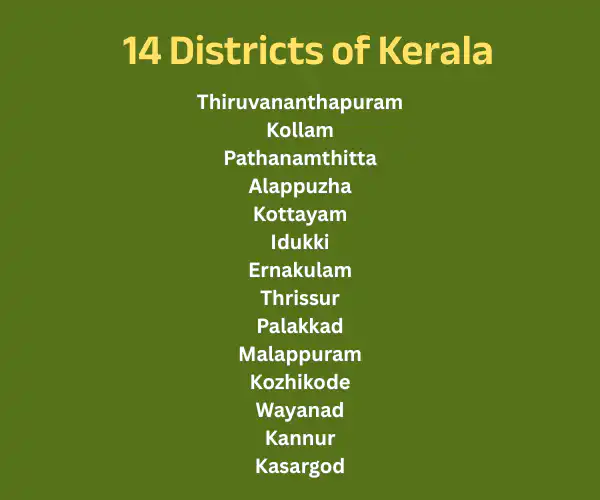
4. Kerala Has 14 Districts
From Kasaragod in the north to Thiruvananthapuram in the south, Kerala consists of 14 districts.
Each has its own character.
Travel through them and you will encounter changes in food, dialect, landscape, architecture, festivals and traditions.
There isn’t just one Kerala waiting to be discovered.
There are many.
5. Kerala Has Around 590 Kilometres of Coastline
Kerala stretches along India’s south-western edge beside the Arabian Sea.
Its coastline has shaped the state’s history for thousands of years.
Fishing communities developed along it.
Ports connected Kerala to international trade.
And today its beaches attract travellers from around the world.
6. The Western Ghats Are Older Than the Himalayas
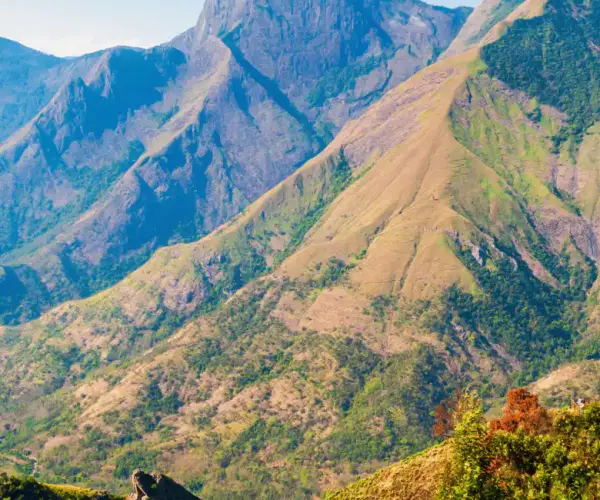
Running along Kerala’s eastern side are the magnificent Western Ghats.
Geologically, the mountain system is considerably older than the Himalayas.
The Western Ghats are also recognised by UNESCO for their exceptional biodiversity.
These mountains influence Kerala’s rainfall, rivers, agriculture and wildlife.
Without the Western Ghats, Kerala would be a very different place.
7. Kerala's Highest Mountain Is Anamudi
Rising approximately 2,695 metres above sea level, Anamudi is Kerala’s highest peak.
It is also the highest point in peninsular India.
Located near Munnar within Eravikulam National Park, the mountain’s name is commonly interpreted as “elephant’s forehead” because of its shape.
8. Kerala Traditionally Counts 44 Rivers
For such a narrow state, Kerala has an extraordinary network of waterways.
It traditionally counts 44 rivers, most originating in the Western Ghats.
These rivers have supported farming, settlements, drinking water, electricity generation and ecosystems for generations.
9. Vembanad Is India's Longest Lake
Kerala’s famous Vembanad Lake stretches through several districts.
It is generally recognised as India’s longest lake and Kerala’s largest.
Fishing, agriculture, tourism and local transportation are all connected with this enormous wetland system.
10. Parts of Kuttanad Are Farmed Below Sea Level
The remarkable Kuttanad region is famous for rice cultivation in low-lying landscapes, including areas below sea level.
Farmers developed systems of bunds, canals and drainage to cultivate land surrounded by water.
It is one of Kerala’s most fascinating examples of people adapting to geography.
11. Kerala's Backwaters Are Not Just Tourist Attractions
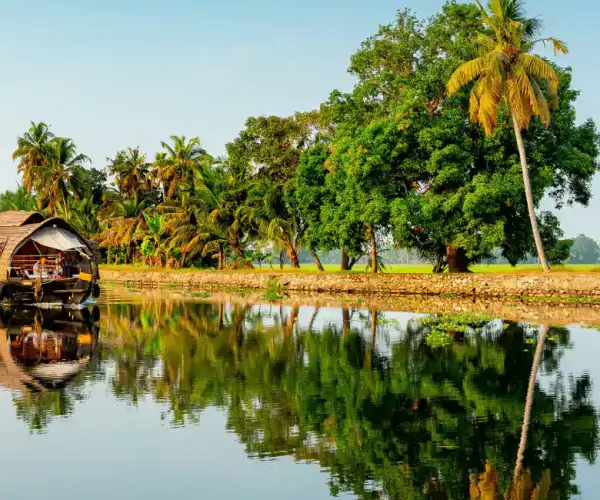
The houseboats may appear on postcards, but Kerala’s backwaters are living landscapes.
For generations, canals, rivers and lakes functioned as transportation networks linking villages and markets.
People still live, fish, farm and travel around these waterways.
The backwaters are communities, ecosystems and livelihoods—not simply scenery.
12. Alleppey Is Sometimes Called the "Venice of the East"
Alappuzha—widely known by its former name, Alleppey—is famous for its canals and waterways.
Its watery landscape led to comparisons with Venice.
But Alappuzha has a character entirely of its own, shaped by Kerala’s backwaters, rice farming, coir industry and boat culture.
13. Kerala Was Once at the Centre of the Global Spice Trade
Long before Kerala became a tourism destination, the world knew it for something else:
spices.
Pepper, cardamom, ginger and other valuable commodities attracted merchants from distant lands.
For centuries, Kerala formed part of international trading networks connecting India with Arabia, the Mediterranean world and beyond.
14. Black Pepper Was Once Known as "Black Gold"
Today pepper sits casually beside salt on dining tables.
For ancient traders, it was considerably more valuable.
Kerala’s black pepper was highly prized internationally and became one of the commodities that drove long-distance trade.
A tiny spice helped connect Kerala to world history.
15. Muziris Was One of the Ancient World's Great Trading Ports
The ancient port known as Muziris was located somewhere around the Kodungallur region.
Historical and archaeological evidence points to extensive trade between this part of Kerala and distant regions, including the Roman world.
Ships arrived seeking pepper and other commodities.
Kerala was globally connected long before anyone invented the term “globalisation.”
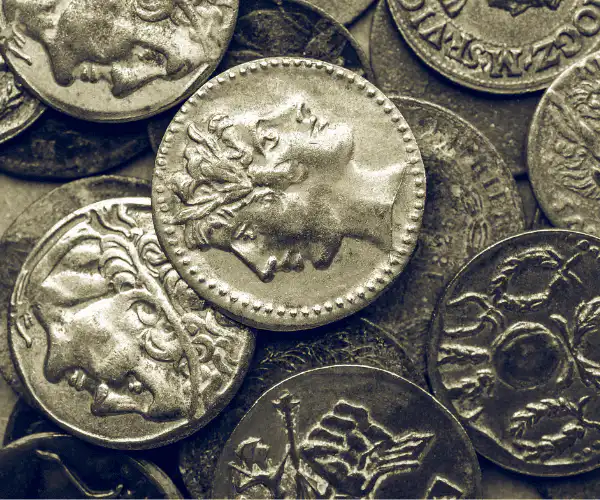
16. Roman Coins Have Been Found in Kerala
Archaeological discoveries of Roman coins and other imported objects provide evidence of Kerala’s ancient trading relationships.
These finds help demonstrate just how far commercial networks extended across the ancient world.
Imagine a Roman coin travelling thousands of kilometres and eventually ending up in Kerala.
History suddenly feels much smaller.
17. Vasco da Gama Reached Kerala in 1498
When Portuguese explorer Vasco da Gama reached Kappad near Kozhikode in 1498, he opened a direct maritime route between Europe and India around the Cape of Good Hope.
His arrival became a major turning point in both Kerala’s history and the history of European expansion in Asia.
And spices were one of the main reasons he came.
18. Kerala Has One of India's Oldest Christian Traditions
Kerala is home to the Saint Thomas Christian tradition.
According to longstanding tradition, St Thomas the Apostle arrived on the Malabar Coast in the first century AD.
Whatever questions historians continue to examine around the earliest period, Christianity in Kerala has ancient roots and developed distinctive traditions over many centuries.
19. Islam Reached Kerala Through Maritime Trade
Kerala’s relationship with the Arab world stretches back centuries.
Muslim merchant communities developed along the Malabar Coast through these maritime connections.
This helped create distinctive cultural and culinary traditions, particularly in northern Kerala.
Kerala’s Islamic heritage is therefore deeply connected to the sea and international trade.
20. Kerala Has an Ancient Jewish Heritage
Jewish communities lived and traded in Kerala for centuries.
Kochi became particularly associated with this history.
The Paradesi Synagogue in Mattancherry remains one of the best-known surviving landmarks of Kerala’s Jewish heritage.
It is another reminder of how many cultures found a home on the Malabar Coast.
21. Kerala Was Formed as a Modern State in 1956
The modern state of Kerala came into existence on 1 November 1956, bringing together major Malayalam-speaking regions.
The date is celebrated every year as Kerala Piravi, meaning the birth or formation of Kerala.
22. Malayalam Is One of India's Classical Languages
Malayalam is the official language of Kerala and has a rich literary history.
It was recognised by the Government of India as a Classical Language of India.
Malayalam literature encompasses poetry, novels, theatre, journalism, philosophy and a thriving contemporary publishing culture.
23. Malayalam Has One of India's Most Distinctive Scripts
Even visitors who cannot read Malayalam often notice its beautiful rounded script.
Its curved forms developed partly through historical writing traditions and materials.
Today the script has become an instantly recognisable visual symbol of Malayalee identity.
24. Kerala Has One of India's Highest Literacy Rates
Education occupies an important place in Kerala society.
The state has long recorded literacy levels among the highest in India.
This achievement reflects generations of social reform, public investment, community initiatives, religious institutions and the importance families placed on education.
25. Kerala Has a Long History of Social Reform
Modern Kerala was shaped by reformers and movements that challenged social inequality.
Figures including Sree Narayana Guru, Ayyankali and Chattampi Swamikal became associated with efforts towards greater dignity, education and social change.
Kerala’s modern identity cannot be understood without this history.
26. Kerala Once Had Matrilineal Communities
Some Kerala communities (Nair) historically followed forms of matrilineal inheritance, where descent and property relationships were organised through the female line.
The systems varied considerably between communities and changed over time.
Nevertheless, they represent a fascinating chapter in Kerala’s social history.
27. Onam Is Celebrated Far Beyond Kerala
Onam is Kerala’s most widely recognised cultural festival.
Pookalams, traditional clothing, games and elaborate sadya feasts mark the celebration.
But you don’t need to be in Kerala to experience it.
Malayalee communities celebrate Onam in cities around the world.
Kerala’s festivals have travelled with its people.
28. A Traditional Sadya Can Contain Dozens of Dishes
The famous Kerala sadya is far more than rice and curry.
Depending on the occasion and tradition, numerous dishes can appear on a single banana leaf.
Different flavours and textures are carefully combined, followed by payasam for dessert.
The banana leaf becomes a culinary map of Kerala.
29. Kerala Cuisine Isn't One Cuisine
There is no single “Kerala food.”
Malabar cuisine differs from many Travancore traditions.
Coastal food differs from highland cooking.
Hindu, Muslim and Christian communities have developed distinctive festive and family dishes.
Kerala is better understood as a collection of interconnected regional cuisines.
30. Coconut Appears Almost Everywhere
Coconut is grated.
Ground.
Pressed for milk.
Turned into oil.
Added to curries.
Used in sweets.
And its leaves, shells and husks have traditionally served numerous purposes outside the kitchen.
In Kerala, the coconut tree is less an ingredient than an entire ecosystem.
31. Kerala Is Famous for Banana Chips
Thin, crisp banana chips are one of Kerala’s most recognisable snacks.
Traditionally fried in coconut oil, they are found in shops and markets throughout the state.
Buying one packet to take home is easy.
Getting it home unopened is considerably harder.
32. Jackfruit Is Kerala's State Fruit
The enormous jackfruit, known as chakka in Malayalam, is Kerala’s official state fruit.
It can be eaten ripe or cooked while young.
The seeds can also be prepared.
Curries, chips, sweets and preserves demonstrate just how versatile one fruit can be.
33. Kerala Has a Martial Art of Its Own
Kalaripayattu is a traditional martial art closely associated with Kerala.
Training can include physical conditioning, movement, combat techniques and traditional weapons.
Its combination of athleticism, discipline and tradition has attracted interest far beyond India.
34. Kathakali Makeup Can Take Hours
A Kathakali performance begins long before the curtain rises.
Elaborate makeup and costumes transform performers into highly stylised characters.
Colours, shapes and facial designs carry symbolic meaning.
Watching the transformation itself can be an extraordinary cultural experience.
35. Kerala Is Home to One of the World's Oldest Surviving Theatre Traditions
Koodiyattam is an ancient Sanskrit theatre tradition associated with Kerala.
It has survived for many centuries and has been recognised by UNESCO as intangible cultural heritage.
A performance today connects audiences with a theatrical tradition stretching deep into India’s past.
36. Theyyam Turns the Performer Into Something More
In northern Kerala, Theyyam combines ritual, costume, music, dance and belief.
Performers may wear enormous headdresses and extraordinary facial designs.
But Theyyam should not be understood simply as colourful entertainment.
Within participating communities, it is a living ritual tradition carrying deep spiritual and social meaning.
37. Kerala Loves Elephants—but the Story Is Complicated
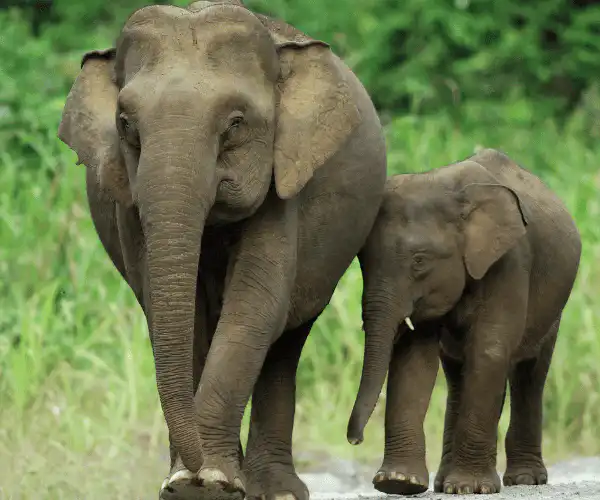
Elephants occupy a prominent place in Kerala’s cultural imagination and can appear in certain religious festivals and traditions.
Wild Asian elephants also inhabit Kerala’s forests.
However, changing attitudes towards animal welfare have led to important conversations about how elephants are treated in captivity and ceremonial contexts.
Kerala’s relationship with elephants is therefore cultural, ecological and increasingly ethical.
38. Kerala Is Home to the Nilgiri Tahr
The endangered Nilgiri tahr lives in the high-altitude grasslands of the Western Ghats.
Eravikulam National Park near Munnar is one of the best-known places associated with the species.
Its mountain habitat is dramatically different from the palm-lined coast many visitors associate with Kerala.
39. Kerala Has Wild Elephants and Tigers
The forests of Kerala support remarkable wildlife.
Asian elephants, tigers, leopards, gaur, deer, monkeys and numerous smaller species inhabit protected areas and forest landscapes.
Places such as Periyar and the wider Western Ghats remind visitors that Kerala is not only culturally diverse.
It is biologically extraordinary too.
40. Silent Valley Protects Remarkable Rainforest
Silent Valley National Park in Palakkad district protects an important area of tropical evergreen forest.
The landscape became famous through conservation campaigns opposing a proposed hydroelectric project.
Its protection became an important chapter in India’s environmental movement.
41. Kerala Is Part of a Global Biodiversity Hotspot
The Western Ghats are recognised as one of the world’s major biodiversity hotspots.
The region contains high levels of endemism—species found nowhere else on Earth.
Kerala’s mountains are therefore not simply beautiful scenery.
They are globally significant ecosystems.
42. Neelakurinji Can Turn Hillsides Blue-Purple
The Neelakurinji is famous for its spectacular flowering cycle, commonly associated with intervals of about twelve years.
When mass flowering occurs in parts of the Western Ghats, entire hillsides can appear blue or purple.
It is one of Kerala’s most remarkable natural spectacles.
43. Kerala Has One of India's Famous Drive-In Beaches
Muzhappilangad Beach in Kannur district is famous for a stretch of firm sand traditionally used for driving.
It offers a very different Kerala beach experience from better-known destinations such as Kovalam or Varkala.
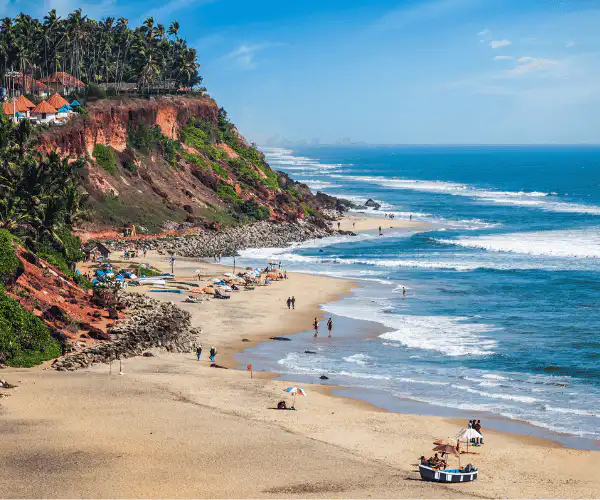
44. Varkala Has Dramatic Cliffs Beside the Arabian Sea
Kerala’s coast is usually associated with palm-lined beaches.
Varkala provides something different.
Its striking cliffs rise beside the Arabian Sea, creating one of Kerala’s most distinctive coastal landscapes.
Geology sometimes creates the best viewpoints.
45. Kerala's Houseboats Evolved From ancient cargo Boats
Today’s luxurious backwater houseboats have their roots in traditional kettuvallams.
These large boats were once used to transport rice and other goods through Kerala’s waterways.
As roads replaced many traditional water-transport routes, some were eventually transformed for tourism.
A former cargo boat became one of Kerala’s most famous travel experiences.
46. Kerala Has a Huge Global Diaspora
Millions of Malayalees live outside Kerala.
Large communities developed in the Gulf countries and elsewhere in India, while significant populations can also be found in Britain, North America, Australia, Europe and other regions.
Migration has profoundly influenced Kerala’s economy, architecture, food and culture.
Kerala is simultaneously local and global.
47. The Gulf Changed Modern Kerala
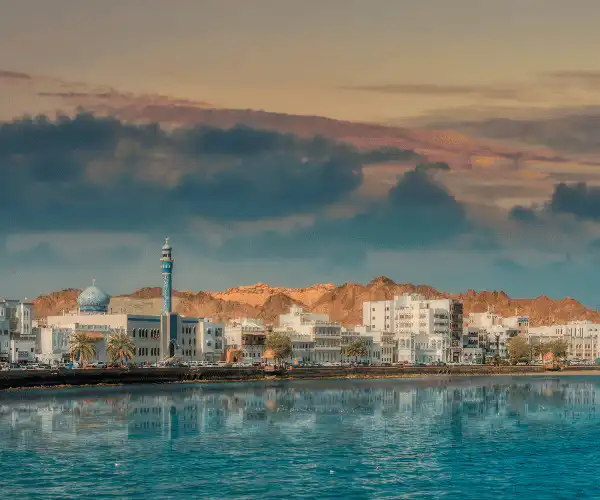
Migration to countries such as the UAE, Saudi Arabia, Oman, Qatar, Kuwait and Bahrain transformed countless Kerala families.
Remittances helped finance homes, education and businesses.
Returning migrants brought new tastes, expectations and experiences.
Even modern Kerala cuisine shows Gulf influences.
Migration didn’t merely take Malayalees overseas.
It changed Kerala itself.
48. Football Passion Can Transform Entire Towns
During major international football tournaments, parts of Kerala become spectacularly enthusiastic.
Giant cut-outs of international football stars appear beside roads and rivers.
Brazil and Argentina command particularly passionate followings.
For a state thousands of kilometres from South America, the intensity can surprise first-time visitors.
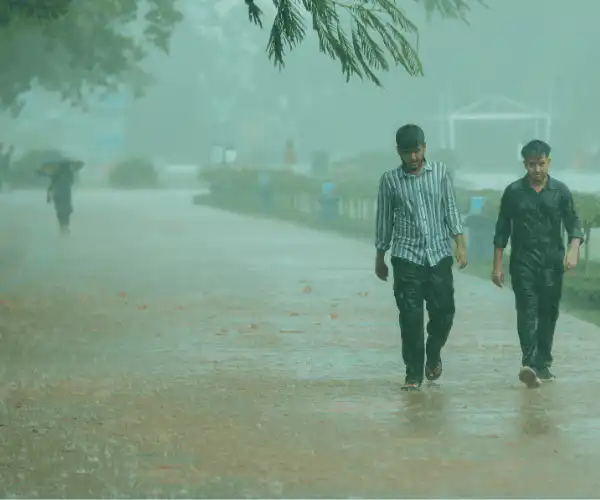
49. Kerala's Monsoon Is Part of Its Identity
Rain in Kerala is not simply bad weather.
The arrival of the monsoon changes landscapes, farming, rivers and daily routines.
The smell of wet earth, water rushing through rivers and intensely green vegetation become part of the seasonal experience.
For many Malayalees, monsoon rain carries powerful memories of home.
50. There Is No Single Kerala
Perhaps this is the most important fact of all.
Kerala cannot be reduced to backwaters, houseboats or coconut palms.
Travel from Kasaragod to Thiruvananthapuram and you will encounter different dialects, foods, landscapes, traditions and histories.
Explore the coast.
Then the mountains.
Visit a village.
Then Kochi.
Eat in Malabar.
Then Travancore.
Attend a temple festival.
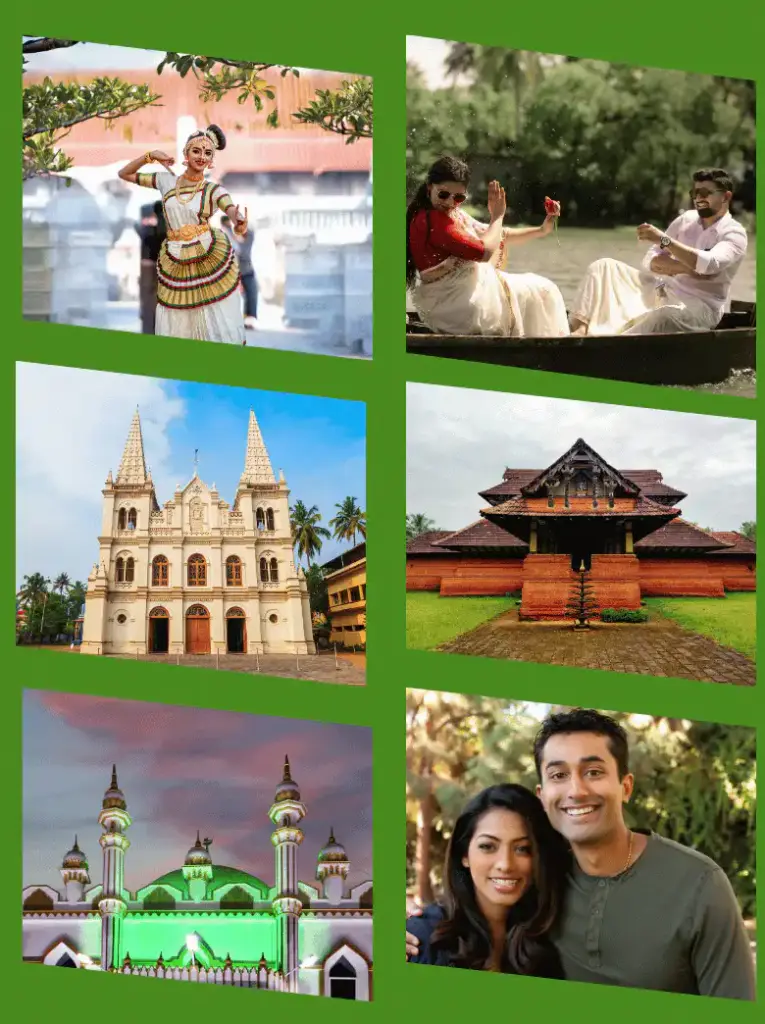
Visit an ancient church.
Walk through a historic mosque or synagogue.
Talk to fishermen, farmers, entrepreneurs, artists and young technology workers.
And Kerala begins to reveal itself.
The closer you look, the more Kerelas you discover.
Kerala – Quick Facts
Country: India
Region: South India
Capital: Thiruvananthapuram
Area: Approximately 38,863 km²
Districts: 14
Coastline: Approximately 590 km
Official language: Malayalam
Highest peak: Anamudi
Largest lake: Vembanad
Major mountain range: Western Ghats
Major cultural festival: Onam
State fruit: Jackfruit
Popular nickname: God’s Own Country
So, What Makes Kerala So Fascinating?
Perhaps Kerala’s greatest surprise is how much can exist within such a relatively small place.
Mountains and beaches.
Ancient traditions and technology parks.
Temples, churches, mosques and synagogues.
Rice fields and modern cities.
Classical theatre and contemporary cinema.
Traditional Ayurveda and advanced healthcare.
Village tea shops and global Malayalee businesses.
Kerala has spent thousands of years absorbing influences from elsewhere while maintaining an identity unmistakably its own.
That is why one visit rarely feels enough.
Behind every backwater is another story.
Behind every meal is another tradition.
Behind every village is another piece of history.
And behind the Kerala most visitors think they know is another Kerala waiting to be discovered.
Welcome to Fabulous Kerala.
The more you explore, the more Kerala surprises you.