
Wayanad: Where Ancient Mysteries, Wild Forests and Misty Mountains Meet
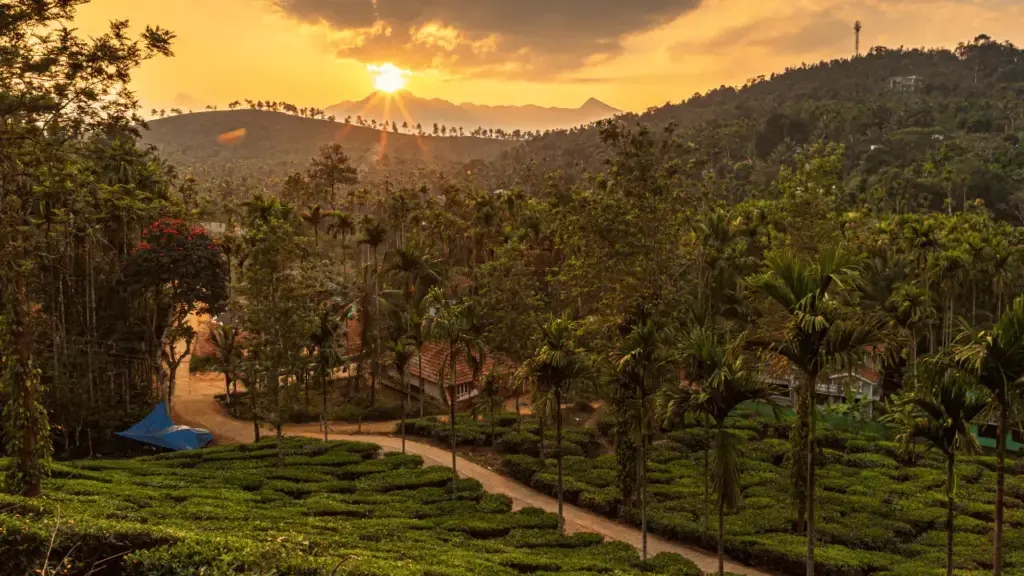
Imagine waking up in a peaceful mountain retreat. The morning mist drifts between the trees, the air carries the rich aroma of freshly brewed coffee, and somewhere in the distance, a Malabar whistling thrush begins its unmistakable song.
Beyond your window, forested mountains stretch towards the horizon. Hidden among them are ancient caves, spectacular waterfalls, quiet villages and wildlife sanctuaries.
Welcome to Wayanad, one of Kerala’s most fascinating destinations.
Located in the northern part of Kerala, Wayanad is a beautiful highland district in the Western Ghats. It’s a destination where nature, history, adventure and culture come together.
But Wayanad is much more than another picturesque hill station.
Here, you can stand before mysterious rock carvings created thousands of years ago, explore coffee and spice plantations, trek through mountain landscapes and search for elephants in the wild.
You can discover traditional farming communities, taste distinctive local dishes and spend your evenings watching the mountains slowly disappear beneath the clouds.
Whether you’re looking for a family holiday, a romantic retreat or an adventurous escape, Wayanad offers experiences that will stay with you long after you’ve returned home.
Let’s explore what makes this remarkable corner of Kerala so special.
1. Wayanad: The Land of Paddy Fields and Ancient Stories
There’s something extraordinary about places where history and nature seem inseparable.
Wayanad is one of them.
Situated in the northeastern part of Kerala, bordering Karnataka and Tamil Nadu, the district covers approximately 2,132 square kilometres. Much of its landscape consists of mountains, valleys, forests, agricultural land and plantations.
Its name is commonly believed to have originated from the Malayalam expression Vayal Nadu, meaning ‘the land of paddy fields’.
It’s an appropriate name for a region where agriculture has shaped both the landscape and the lives of its people.
Wayanad’s geographical position makes it particularly interesting. It lies in the Western Ghats, one of India’s most important ecological regions, and forms part of a wider landscape connecting the forests of Kerala, Karnataka and Tamil Nadu.
But Wayanad’s greatest attraction may be its diversity.
Travel through the district, and you’ll discover that one area can be completely different from another.
Vythiri is known for its beautiful forested landscapes and misty mountain atmosphere. Kalpetta is a convenient base for exploring central Wayanad. Sulthan Bathery has fascinating historical connections and provides access to several major attractions. Mananthavady offers opportunities to discover the district’s northern forests, villages and cultural heritage.
Wayanad rewards travellers who are willing to venture beyond the most popular viewpoints.
And perhaps the most fascinating place to begin is somewhere that takes us thousands of years into the past.
2. Edakkal Caves: A Journey Thousands of Years Back in Time
What if the walls of a cave could tell you stories about people who lived thousands of years ago?
At Edakkal, they almost can.
The famous Edakkal Caves are among Wayanad’s most remarkable historical attractions. Located on Ambukuthi Hill near Ambalavayal, they contain an extraordinary collection of prehistoric rock engravings.
The site is particularly fascinating because the so-called caves aren’t actually conventional underground caverns.
Instead, a massive boulder is wedged between large rock formations, creating a natural shelter.
The Malayalam name Edakkal means ‘a stone in between’.
Inside, the rock surfaces feature human figures, animals, geometric symbols and other mysterious engravings. Some have been associated with prehistoric communities living in the region thousands of years ago.
Their precise dates and interpretations remain subjects of archaeological research.
Standing before these markings, it’s difficult not to wonder about the people who created them.
Who were they? What did these symbols mean? How did they live? And what did Wayanad look like in their time?
These unanswered questions make Edakkal particularly captivating.
An adventure before the history lesson
Reaching the caves is an experience in itself.
Visitors must climb a steep approach followed by steps leading towards the rock shelter. The ascent can be demanding, especially in hot or humid conditions.
However, the mountain scenery and the opportunity to examine the ancient engravings make the journey worthwhile for many visitors.
Wear comfortable footwear, carry drinking water and allow plenty of time.
The site may not be suitable for travellers who have difficulty negotiating steep steps.
Visit the Wayanad Heritage Museum
If Edakkal awakens your curiosity about the region’s history, consider visiting the Wayanad Heritage Museum at Ambalavayal.
The museum’s archaeological and cultural collections offer further insight into Wayanad’s past.
Combining these two attractions provides an interesting introduction to the people who inhabited the region long before modern tourism arrived.
Fabulous Kerala travel tip: Visit Edakkal earlier in the day to avoid the strongest afternoon heat. Confirm opening arrangements and entry requirements before setting out.
3. Wayanad Wildlife Sanctuary: Enter the Kingdom of the Wild
Imagine travelling slowly through a forest road when your guide suddenly asks everyone to remain quiet.
Something is moving between the trees.
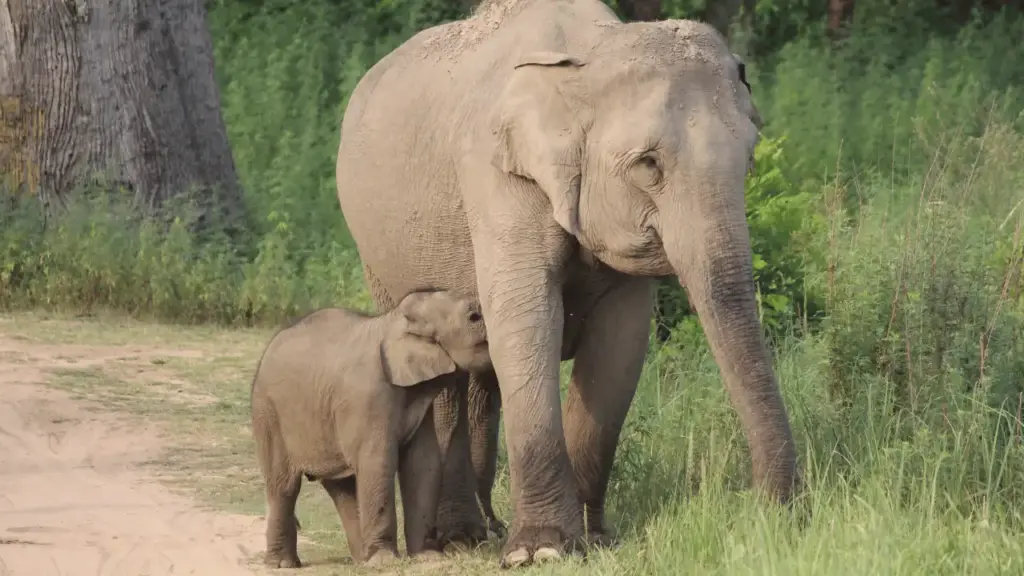
A moment later, an elephant emerges from the vegetation.
For wildlife enthusiasts, encounters like this are among the most memorable experiences Wayanad can offer.
The Wayanad Wildlife Sanctuary is part of the Nilgiri Biosphere Reserve, a vast ecological landscape extending across parts of Kerala, Karnataka and Tamil Nadu.
Its forests connect with neighbouring protected areas, creating important habitats and movement corridors for wildlife.
What animals can you see?
Wayanad’s forests support a remarkable diversity of animals, including Asian elephants, gaur, spotted deer and numerous bird species.
Tigers and leopards also inhabit the wider forest landscape, although seeing these elusive predators is unusual.
Visitors are far more likely to encounter common forest wildlife, birds and perhaps elephants.
Every safari is different, and no animal sighting can be guaranteed.
Muthanga or Tholpetty: Which safari should you choose?
Two popular areas associated with organised wildlife experiences are Muthanga, towards the district’s southeastern side, and Tholpetty, in the north.
Both offer opportunities to appreciate the forests through regulated visitor experiences, subject to current Forest Department arrangements.
Your choice should depend partly on where you’re staying and how the safari fits into your wider itinerary.
If you’re based near Sulthan Bathery, Muthanga may be more convenient.
If you’re exploring Mananthavady and northern Wayanad, Tholpetty may be a more practical option.
How to enjoy a wildlife safari responsibly
Book through authorised arrangements and follow your guide’s instructions.
Avoid making loud noises, feeding wildlife or asking drivers to approach animals too closely.
Remember that you’re entering the animals’ natural habitat.
The purpose of a safari isn’t simply to photograph an elephant or spot a tiger. It’s an opportunity to appreciate the remarkable ecosystem that supports them.
Sometimes the most memorable moment is simply watching sunlight filter through the forest canopy while birds call overhead.
Important: Safari availability can change because of weather, forest conditions and conservation requirements. Confirm timings and bookings before travelling.
4. Banasura Sagar Dam: Where Mountains Rise from the Water
Some landscapes are so beautiful that photographs struggle to capture their scale.
Banasura Sagar Dam is one of them.
Set against the spectacular Banasura Hills, the reservoir is famous for its scenic mountain setting and islands that become particularly prominent when water levels are high.
Banasura Sagar is recognised as India’s largest earthen dam.
But engineering isn’t the main reason tourists visit.
It’s the scenery.
Imagine standing above the reservoir, watching sunlight dance across the water while layers of green mountains disappear into the distance.
The landscape is particularly attractive when mist surrounds the hills.
What can you do at Banasura Sagar?
Visitors come here for sightseeing, photography and, when conditions permit, boating and other recreational activities.
The surrounding mountain scenery makes the destination attractive to couples, families and nature enthusiasts.
However, facilities and activities can change depending on the weather, water levels and operating restrictions.
Always follow instructions regarding boating and designated visitor areas.
If you’re interested in photography, consider visiting during the softer light of the morning or late afternoon.
Don’t forget to put your camera down occasionally and simply enjoy the view.
5. Chembra Peak: The Mountain with a Heart
Imagine trekking along a mountain trail and discovering a lake shaped almost perfectly like a heart.
It sounds like something from a romantic novel.
But Wayanad has just such a natural attraction.
Chembra Peak, rising approximately 2,100 metres above sea level, is the highest peak in Wayanad district and one of its most famous trekking destinations.
The mountain is particularly well known for the heart-shaped lake situated along its slopes.
Locally known as Hridaya Saras, the lake has become one of the most recognisable images associated with Wayanad.
Surrounded by grasslands and mountain scenery, it provides a remarkable setting for nature photography.
Is the Chembra trek suitable for everyone?
The trek involves climbing through mountainous terrain and requires a reasonable level of physical fitness.
Weather conditions can change quickly. Mist may reduce visibility, and rain can make trails slippery.
Visitors should arrange the experience through authorised channels and follow all Forest Department instructions.
Access is regulated, and the permitted trekking route may not extend to the actual summit.
Never assume that the entire mountain is open simply because trekking is advertised.
If you’re travelling with young children, elderly relatives or anyone who finds steep walks difficult, Wayanad has plenty of gentler alternatives.
Fabulous Kerala travel tip: Carry sufficient water, wear suitable trekking shoes and avoid beginning a mountain trek without checking the weather forecast and current permissions.
6. Seven More Places That Reveal Wayanad’s Beauty
Wayanad has enough natural attractions to fill several holidays.
Here are some additional destinations worth considering.
1. Pookode Lake: A Peaceful Escape into Nature
Surrounded by forested hills near Vythiri, Pookode Lake is a picturesque natural freshwater lake.
Its beautiful surroundings make it particularly appealing to families and travellers looking for a relaxing experience.
Depending on current operating arrangements, you may be able to enjoy pedal boating or other visitor facilities.
The lake is an excellent place to slow down and appreciate Wayanad’s natural beauty without embarking on a demanding adventure.
2. Lakkidi Viewpoint: The Gateway to Wayanad
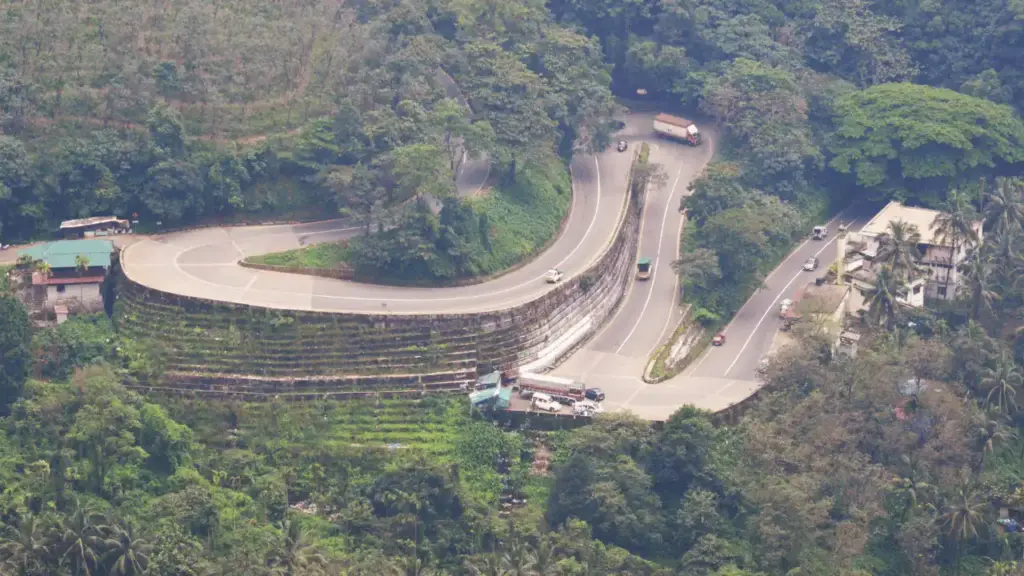
If you’re travelling from Kozhikode, the winding mountain road approaching Lakkidi provides a spectacular introduction to Wayanad.
Lakkidi Viewpoint overlooks green valleys, steep hillsides and the dramatic mountain road below.
During suitable weather, mist drifts across the surrounding landscape, creating beautiful photographic opportunities.
It’s an excellent place to appreciate the transition from Kerala’s lower elevations to the Western Ghats.
Use designated stopping areas and remain clear of traffic.
3. Soochipara Waterfalls: A Spectacular Forest Waterfall
Also known as Sentinel Rock Waterfalls, Soochipara is famous for its dramatic cascading water and forested surroundings.
Its natural beauty has long made it a popular destination for photographers and nature lovers.
However, access is subject to official restrictions, particularly following severe weather or damage to surrounding infrastructure.
Confirm that public visits are officially permitted before including it in your itinerary.
Never attempt to enter a restricted waterfall area or swim in dangerous currents.
4. Kanthanpara Waterfalls: A Quieter Natural Attraction
For travellers who prefer a more relaxed experience, Kanthanpara offers another opportunity to enjoy Wayanad’s waterfall scenery.
Although smaller than some of the district’s more dramatic waterfalls, its green surroundings make it attractive.
Access arrangements may vary seasonally, so check current information before travelling.
5. Kuruvadweep: An Island Hidden Among the Forests
Imagine a peaceful collection of river islands surrounded by beautiful vegetation.
Kuruvadweep, also called Kuruva Island, lies in the Kabini River system and is known for its forested landscape and biodiversity.
Its appeal lies in its natural surroundings rather than conventional tourist entertainment.
Access is carefully regulated and may be suspended to protect the ecosystem or because of river conditions.
Plan a visit only after confirming that entry is permitted.
6. Thirunelli Temple: Spiritual Heritage in the Mountains
Wayanad isn’t only a destination for nature lovers.
Hidden among its forested hills are sites of considerable historical and religious significance.
The ancient Thirunelli Temple, dedicated to Lord Vishnu, stands in a beautiful mountain setting in northern Wayanad.
For Hindu pilgrims, it is an important place of worship.
For other visitors, its traditional architecture and surrounding landscape provide an opportunity to learn about the region’s religious heritage.
Dress respectfully, observe photography restrictions and follow the temple’s visitor guidelines.
7. The Bamboo Craft Villages: Discover Local Creativity
One of the most interesting ways to experience Wayanad is to explore its craft traditions.
The Uravu bamboo initiative, based in Thrikkaipetta, is associated with bamboo craftsmanship, sustainable livelihoods and community development.
Depending on the programmes available, visitors may be able to explore demonstrations or purchase locally made bamboo products.
This is a wonderful opportunity to discover a different side of Wayanad and support the people whose creativity contributes to the region’s identity.

7. Beyond the Tourist Trail: The People and Culture of Wayanad
A destination becomes truly memorable when you begin to understand the people who call it home.
Wayanad has a fascinating cultural landscape shaped by its Indigenous communities, agricultural traditions, historical settlements and connections with neighbouring regions.
Communities such as the Kurichiya, Kuruma, Paniya and Kattunayakan are among those associated with the district.
Each has its own history, traditions and cultural identity.
Their stories shouldn’t be reduced to a single description of ‘tribal culture’.
The communities of Wayanad have distinct experiences, and many continue to play important roles in agriculture, conservation, craftsmanship and contemporary regional life.
Discover Wayanad’s agricultural heritage
Agriculture remains central to the district’s identity.
Wayanad is associated with rice cultivation, coffee, pepper, ginger and numerous other crops.
Traditional rice varieties, including the aromatic Gandhakasala and Jeerakasala, are particularly interesting examples of the region’s agricultural heritage.
These crops connect Wayanad’s food traditions with its farming communities.
Consider joining an organised farm visit or an authentic village experience that benefits local residents.
Explore community-based tourism
Kerala’s Responsible Tourism Mission has developed programmes in Wayanad that help visitors engage with local communities.
Depending on current availability, these experiences may include village walks, traditional food, handicrafts and agricultural activities.
Such programmes can provide a more meaningful introduction to Wayanad than simply travelling from one attraction to another.
Always choose community-approved experiences and ask permission before photographing people, homes or cultural activities.
The most rewarding cultural exchanges begin with genuine respect.
8. From Coffee Beans to Traditional Rice: A Taste of Wayanad
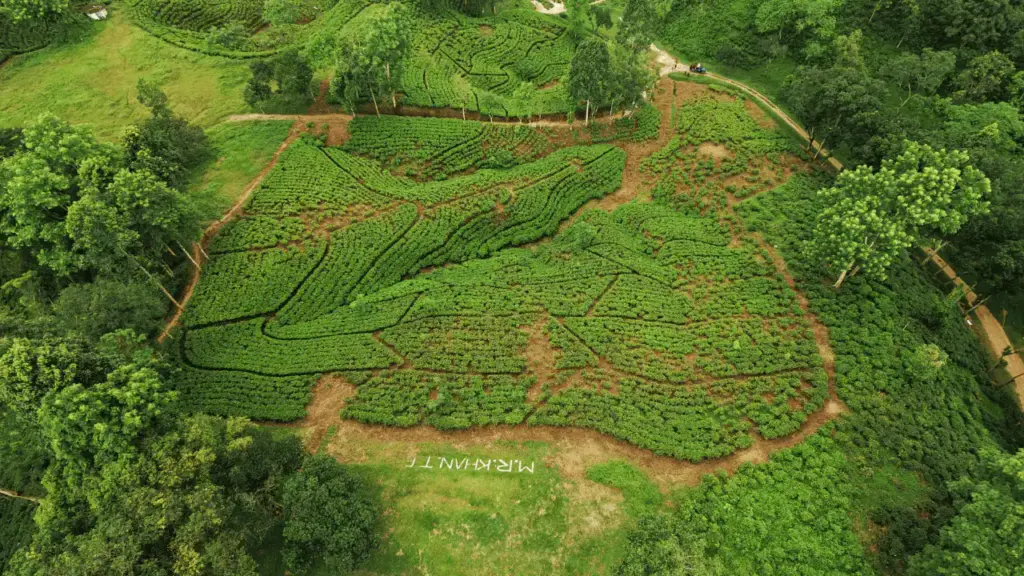
If Munnar is closely associated with tea, Wayanad has an equally fascinating connection with coffee.
Coffee plantations form an important part of the district’s agricultural landscape.
Travel through the countryside, and you may see coffee plants growing beneath the shade of taller trees.
In some areas, pepper vines climb the trunks of these shade trees, creating a productive combination of crops.
Start your day with Wayanad coffee
There’s something special about enjoying a freshly brewed cup of coffee in the place where the beans were grown.
Look for locally produced coffee and opportunities to understand how it is cultivated and processed.
An authorised plantation visit can introduce you to the journey from coffee cherries to roasted beans.
If possible, buy directly from local producers.
Five local flavours worth discovering
1. Wayanad coffee
Enjoy locally grown coffee, and explore the differences between traditional preparations and speciality roasts.
2. Puttu and kadala curry
Steamed rice flour and coconut served with a richly flavoured chickpea curry make a satisfying Kerala breakfast.
3. Bamboo rice
Bamboo rice is an unusual food associated with forest regions. If you’re interested in trying it, purchase only from reputable sources that follow sustainable harvesting practices.
4. Gandhakasala and Jeerakasala rice
These aromatic rice varieties are closely connected with Wayanad’s agricultural heritage and regional cooking traditions.
5. Traditional Kerala meals
Look for restaurants or homestays serving freshly prepared Kerala dishes featuring seasonal vegetables, coconut, local spices and regional rice varieties.
Food can be one of the most enjoyable ways to learn about Wayanad’s farming heritage.
If you’re interested in cooking, consider arranging a local cooking experience through your accommodation or a responsible tourism operator.

9. Planning Your Wayanad Holiday: Everything You Need to Know
Wayanad is a large district rather than a single compact hill station.
This is one of the most important things to understand when planning your visit.
Some attractions are separated by lengthy drives along mountain roads.
Choosing your accommodation carefully and grouping nearby attractions together can save considerable travelling time.
What is the best time to visit Wayanad?
October to February: Cool weather and green landscapes
For many travellers, the period following the southwest monsoon is particularly attractive.
The countryside is beautifully green, temperatures are generally pleasant, and conditions are often favourable for sightseeing.
It’s a popular period for nature experiences and family holidays.
March to May: Summer escapes and family travel
These months are suitable for many sightseeing activities, although daytime temperatures can become warm, particularly in lower areas.
Plan more demanding activities for the morning, stay hydrated and allow time for rest.
June to September: Monsoon scenery and important precautions
The monsoon transforms Wayanad’s mountains and forests into extraordinarily green landscapes.
However, heavy rainfall can also produce landslides, flooding, road closures and dangerous waterfall conditions.
The devastating landslides in the Mundakkai and Chooralmala areas in July 2024 demonstrated the serious risks that extreme rainfall can pose to mountain communities.
The appropriate response is careful, responsible travel.
Check official weather warnings, avoid restricted areas and never disregard local evacuation or travel advice.
If severe weather warnings are in force, postpone non-essential mountain journeys.
How to reach Wayanad
By air
Calicut International Airport, near Kozhikode, is one of the most convenient airports for reaching Wayanad.
The distance to your accommodation depends on where in the district you’re staying.
Arrange onward transport in advance if possible.
By train
Wayanad doesn’t have its own railway station.
Kozhikode is a convenient major railway station for visitors travelling from other parts of Kerala and India.
From there, buses and taxis connect with Wayanad’s principal towns.
By road
Wayanad has road connections with destinations in Kerala, Karnataka and Tamil Nadu.
Popular routes include the scenic journey from Kozhikode through the Western Ghats and connections from Mysuru and Bengaluru.
Mountain roads can involve steep gradients and numerous bends.
Allow additional travelling time during heavy rainfall, holidays and weekends. Some forest routes also have restrictions on night-time vehicle movements.
Where to stay in Wayanad
Wayanad offers accommodation ranging from simple homestays to luxurious nature retreats.
Choose your location according to the experiences you want.
- Vythiri and Lakkidi: Particularly attractive for misty mountain scenery, forest retreats and access from Kozhikode.
- Kalpetta: A convenient central base with practical connections to several sightseeing destinations.
- Sulthan Bathery and Ambalavayal: Good options for visitors interested in Edakkal Caves, historical attractions and the southeastern part of Wayanad.
- Mananthavady: A useful base for exploring northern Wayanad, subject to wildlife sanctuary access and other local conditions.
When booking accommodation, don’t rely exclusively on photographs.
Check road access, distance from your planned attractions, recent guest reviews and whether the property is operating with appropriate permissions.

10. Your Perfect Three-Day Wayanad Itinerary
Three days provides a useful introduction to Wayanad.
However, because the district is geographically extensive, you’ll enjoy your holiday more if you resist the temptation to visit every attraction.
Here’s an itinerary designed around a selection of Wayanad’s best-known experiences.
Day 1: Misty Mountains, Lakes and Beautiful Landscapes
Morning: Arrive in Wayanad and enjoy the spectacular mountain approach through Lakkidi.
Stop at an authorised viewpoint if conditions permit.
Afternoon: Explore Pookode Lake and enjoy the beautiful surroundings. If boating is operating, spend some time on the water.
Evening: Check into your accommodation, sample freshly brewed local coffee and enjoy a relaxing evening.
If you’re staying in Vythiri, this is an excellent opportunity to appreciate the area’s forested scenery.
Day 2: Ancient Mysteries and Wayanad’s Cultural Heritage
Morning: Visit Edakkal Caves, allowing enough time for the climb and exploration of the rock engravings.
Afternoon: Continue to the Wayanad Heritage Museum at Ambalavayal.
If time permits, explore a suitable local agricultural or cultural experience.
Evening: Enjoy traditional Kerala cuisine at your homestay or a local restaurant.
Try a dish prepared with Wayanad’s aromatic rice varieties if available.
Day 3: Choose Your Own Wayanad Adventure
For your final day, choose an experience based on your interests and accommodation location.
Option A: Mountain scenery
Explore Banasura Sagar Dam and enjoy its remarkable mountain setting.
Option B: Wildlife
Arrange an authorised safari at Muthanga or Tholpetty, depending on your location and safari availability.
Option C: Trekking
If the permitted trekking route is open and you’re physically prepared, consider a guided Chembra Peak experience.
Option D: Slow travel
Enjoy a locally organised farm or village experience, shop for Wayanad coffee and handicrafts, and spend the afternoon relaxing.
Travellers who want to visit attractions in both northern and southern Wayanad should consider extending their holiday to four or five days.
11. Responsible Tourism: How to Keep Wayanad Beautiful
Wayanad’s greatest treasures aren’t its hotels or sightseeing facilities.
They are its forests, rivers, mountains, agricultural landscapes and communities.
Tourism can support local livelihoods and encourage conservation, but poorly managed tourism can also damage fragile ecosystems.
Responsible travel begins with understanding that Wayanad is someone’s home.
Choose locally owned accommodation and restaurants where practical.
Support responsible community tourism programmes and purchase locally produced coffee, spices and handicrafts.
Avoid littering, particularly around waterfalls, lakes and forest trails.
Never attempt to enter closed trekking routes, restricted forest areas or disaster-affected communities out of curiosity.
Don’t feed wildlife or approach animals for photographs.
Respect local customs and seek permission before photographing residents.
And remember that travelling responsibly also means recognising weather-related risks.
When official authorities issue warnings or close attractions, follow their instructions.
By travelling thoughtfully, you can enjoy Wayanad while helping preserve the qualities that make it extraordinary.
12. Frequently Asked Questions About Wayanad
Is Wayanad worth visiting?
Yes, especially for travellers interested in mountains, forests, wildlife, history, coffee plantations and outdoor experiences.
The combination of prehistoric archaeological sites and remarkable natural landscapes gives Wayanad a distinctive character among Kerala’s tourist destinations.
How many days are enough to explore Wayanad?
Three days is a good starting point for visiting several major attractions.
Four or five days will provide a more relaxed experience if you want to include trekking, wildlife safaris, village visits and quieter destinations.
Is Wayanad suitable for a family holiday?
Yes. Wayanad has plenty of family-friendly attractions, including scenic lakes, viewpoints, museums and nature retreats.
However, certain trekking routes, waterfalls and steep archaeological sites may not be suitable for every traveller.
What is Wayanad famous for?
Wayanad is particularly well known for its beautiful forests, prehistoric Edakkal Caves, wildlife sanctuary, coffee plantations, Banasura Sagar Dam and mountain landscapes.
Its cultural heritage and agricultural traditions add another dimension to the destination.
Which is better for a holiday, Munnar or Wayanad?
The destinations offer different experiences.
Munnar is particularly associated with vast tea plantations, high mountain scenery and Eravikulam National Park.
Wayanad offers a broader combination of forests, wildlife, coffee plantations, prehistoric archaeology and traditional agricultural landscapes.
Your choice will depend on your interests and the rest of your Kerala itinerary.
Is it safe to visit Wayanad during the monsoon?
Heavy monsoon rainfall can create serious hazards, including landslides and flooding.
Visitors should follow current official weather warnings and local travel restrictions.
Avoid mountain journeys during severe weather alerts. Never enter closed attractions or restricted areas.
Can I see elephants in Wayanad?
Wild Asian elephants inhabit Wayanad’s forests, and authorised wildlife safaris provide opportunities to observe them.
However, wildlife sightings are never guaranteed.
Do I need to book trekking and wildlife activities in advance?
Advance planning is advisable.
Forest access, visitor numbers and trekking permits are regulated. Availability may change because of conservation requirements and weather.
Contact the relevant authorities or authorised operators before travelling.
Wayanad: A Destination That Stays With You
Some journeys are about the places you visit.
Others are about the stories you bring home.
Wayanad offers both.
You may arrive expecting beautiful mountains and peaceful forests. But somewhere along the way, you discover something unexpected.
Perhaps it’s the mystery of ancient rock carvings that have survived for thousands of years.
Perhaps it’s the excitement of spotting an elephant among the trees.
It might be a conversation with a local farmer, the extraordinary aroma of freshly roasted coffee or the sight of sunlight falling across a mountain lake.
Or perhaps your favourite memory will be the simplest experience of all.
Sitting quietly on a misty morning, listening to the forest awaken around you.
Wayanad doesn’t need to compete for your attention.
Its beauty reveals itself to those who take the time to explore.
Come for the mountains. Discover the mysteries. Leave with stories you’ll never forget.
Explore more extraordinary destinations, authentic experiences and unforgettable journeys with Fabulous Kerala. We don’t just write about Kerala. We help you experience it.