
Munnar: Where the Mountains Wear Green and the Clouds Come to Rest
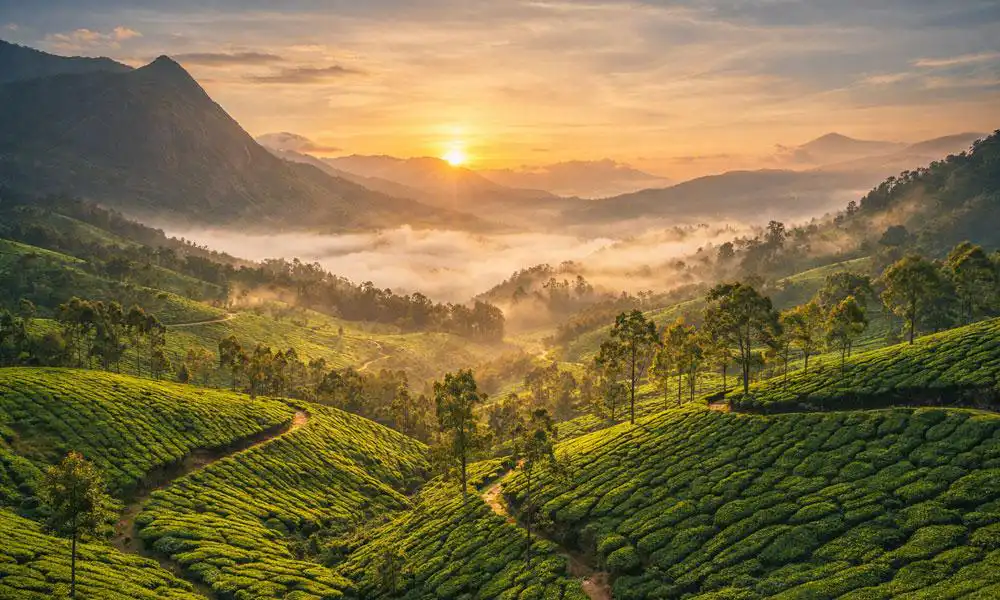
Discover the endless tea gardens, mist-covered hills, extraordinary wildlife and unforgettable experiences that make Munnar one of Kerala’s most beautiful destinations.
Imagine waking up to mountains wrapped in delicate layers of mist. Outside your window, rolling hills stretch towards the horizon, covered in an endless carpet of green. The morning air is cool, birds are beginning to sing, and somewhere nearby, a fresh pot of tea is brewing.
There is no rush. The mountains are in no hurry, and neither should you be.
Welcome to Munnar, Kerala’s enchanting hill station, where nature, history and adventure meet.
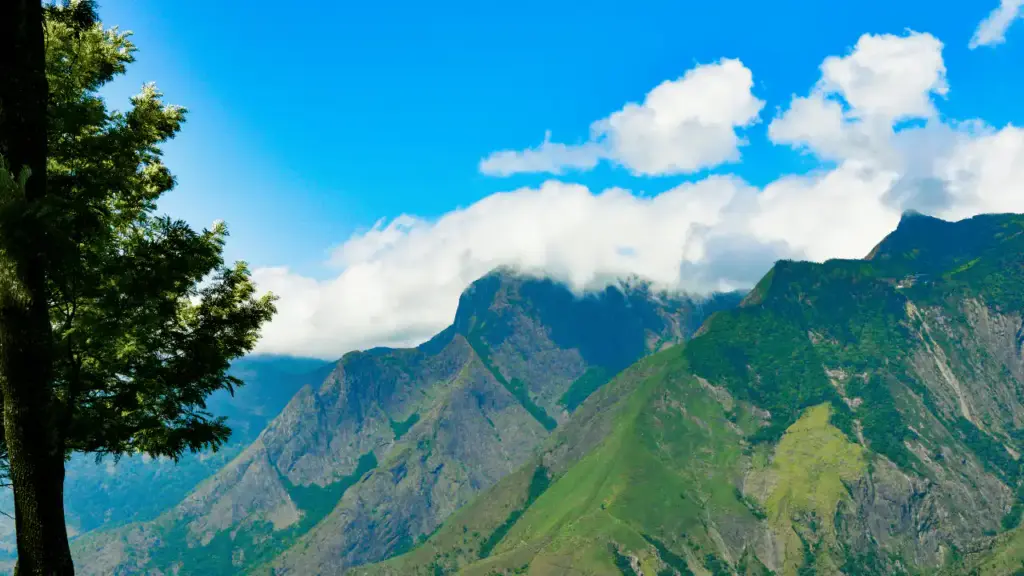
Tucked away in the Western Ghats of southern India, Munnar offers an entirely different experience from Kerala’s tropical beaches, tranquil backwaters and bustling cities. Here, winding mountain roads lead to spectacular viewpoints, tea plantations cover entire hillsides, and clouds drift so low that you sometimes feel you could reach out and touch them.
But there is much more to Munnar than its picture-perfect landscapes.
Behind those beautiful tea gardens lies a fascinating history. Beyond the mountains are rare animals, extraordinary wildflowers, waterfalls and communities with their own stories to tell.
Whether you’re planning a romantic escape, a family holiday, a photography adventure or simply a few days surrounded by nature, Munnar deserves a place on your Kerala travel itinerary.
Let’s discover what makes this remarkable hill station so special.
1. Munnar: Three Rivers and a Thousand Shades of Green
What makes Munnar different from other hill stations in India?
Perhaps it’s the extraordinary landscape. Perhaps it’s the refreshing mountain air. Or maybe it’s the feeling you experience when you leave the busy plains behind and watch the scenery transform into forests, waterfalls and beautiful tea estates.
Located in Kerala’s Idukki district, Munnar town sits approximately 1,600 metres above sea level. Its elevated position gives it a cooler climate than much of coastal Kerala, making it an attractive escape from the heat.
The surrounding landscape belongs to the Western Ghats, a mountain range celebrated for its outstanding biodiversity.
Even Munnar’s name tells a story.
In Malayalam, munnu means three and aaru means river. The name refers to three mountain streams associated with the area: Muthirapuzha, Nallathanni and Kundala.
Long before travellers arrived to admire Munnar’s tea-covered mountains, these highlands were home to Indigenous communities, including the Muthuvans. Their history forms an important part of the region’s cultural heritage.
During the nineteenth century, British planters recognised the agricultural potential of these mountain slopes. Commercial plantations gradually transformed the landscape, and tea eventually became the crop most closely associated with Munnar.
The result is a remarkable meeting of nature and human enterprise.
Today, Munnar is one of Kerala’s most recognised tourist destinations. Yet step away from its busy town centre, and you’ll discover that its greatest attraction remains the peaceful beauty of its mountains.
2. Munnar’s Tea Gardens: The Story Behind the Green Mountains
If there’s one image that defines Munnar, it’s an endless landscape of tea plantations.
Imagine travelling along a mountain road with neatly trimmed tea bushes stretching in every direction. Their vibrant green leaves form beautiful patterns across the hillsides, occasionally interrupted by tall trees, narrow pathways and the occasional plantation building.
When the morning mist rolls across these hills, the landscape becomes almost dreamlike.
It’s easy to understand why Munnar’s tea gardens attract visitors from around the world.
But behind this spectacular scenery lies an extraordinary story.
How tea transformed Munnar
Tea cultivation developed in the region during the nineteenth century, eventually becoming one of the area’s most important industries.
The challenging mountain landscape demanded extensive labour and infrastructure. Roads had to be built, plantations established and processing facilities developed.
Generations of plantation workers, including workers who migrated from neighbouring regions, helped build the industry.
Their contributions remain central to Munnar’s history and identity.
Today, the plantations are not simply tourist attractions. They are working agricultural landscapes that continue to support communities and livelihoods.
Understanding this adds another dimension to the experience of visiting Munnar.
Visit the Munnar Tea Museum
If you’ve ever wondered how the leaves growing on a hillside become the tea in your cup, the Munnar Tea Museum is a fascinating place to visit.
Located at Nallathanni Estate, the museum introduces visitors to the region’s tea-growing history through photographs, historic machinery and displays.
Depending on the visitor programme available, you may also learn about the processes involved in preparing tea for consumption.
Tea production generally involves several stages, including:
-
Plucking: Carefully selecting tender leaves and buds.
-
Withering: Reducing the moisture content of freshly harvested leaves.
-
Rolling: Breaking down the leaf structure and preparing the leaves for further processing.
-
Oxidation: Allowing controlled chemical changes that help develop the character of certain teas.
-
Drying: Stopping oxidation where applicable and reducing the remaining moisture.
-
Sorting and grading: Preparing the finished tea for packaging and distribution.
Different types of tea involve different processing methods, so not every variety follows exactly the same journey.
The experience is a reminder that something as familiar as a cup of tea has a surprisingly complex history.
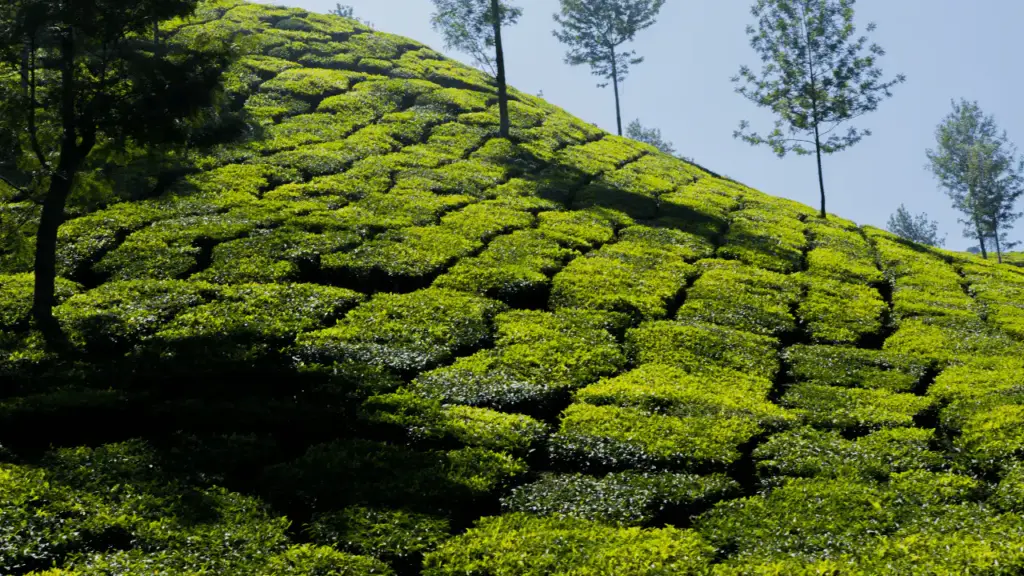
Experience a tea plantation
For a more immersive experience, consider booking an authorised plantation tour.
Some estates offer guided visits that explain how tea is cultivated and processed. Others provide tasting experiences where visitors can discover different tea varieties.
Remember that most tea plantations are privately owned agricultural properties. Always obtain permission before entering an estate.
Fabulous Kerala travel tip: Schedule your tea garden experience for the early morning when the light is softer and the hills may still be covered in mist. It’s an excellent opportunity for landscape photography.
And, of course, don’t leave without enjoying a freshly brewed cup of local tea.
3. Eravikulam National Park: Discover Munnar’s Wild Side
Not all of Munnar’s hills are covered with tea.
Some belong to extraordinary natural ecosystems that provide sanctuary for rare plants and wildlife.
One of the region’s most important natural attractions is Eravikulam National Park, located near Munnar.
Spread across approximately 97 square kilometres, the park protects a remarkable landscape of high-altitude grasslands and shola forests.
Unlike the familiar tropical forests found elsewhere in Kerala, much of Eravikulam consists of open mountain grasslands surrounded by patches of specialised evergreen forest.
These ecosystems support wildlife that has adapted to life in the Western Ghats.
Meet the endangered Nilgiri tahr
The undisputed wildlife attraction of Eravikulam National Park is the Nilgiri tahr.
This endangered mountain-dwelling mammal, closely related to wild goats and sheep, is found in the southern Western Ghats.
With its sturdy body, curved horns and impressive ability to negotiate steep mountain slopes, the Nilgiri tahr is perfectly adapted to its rugged environment.
Eravikulam is an important stronghold for the species and plays a significant role in its conservation.
Visitors exploring the permitted tourism area at Rajamala may have an opportunity to observe these extraordinary animals in their natural surroundings.
However, sightings are never guaranteed. Wildlife should be enjoyed from a respectful distance.
Anamudi: South India’s highest mountain
Eravikulam is also home to Anamudi, the highest mountain in South India.
Rising to approximately 2,695 metres above sea level, Anamudi dominates the surrounding landscape.
Its name is commonly interpreted as ‘elephant’s head’, referring to the mountain’s distinctive appearance.
Although Anamudi is an impressive sight, visitors should not assume that they can trek freely to its summit. Access is regulated, and ordinary national park admission does not include permission to climb the mountain.
The extraordinary Neelakurinji phenomenon
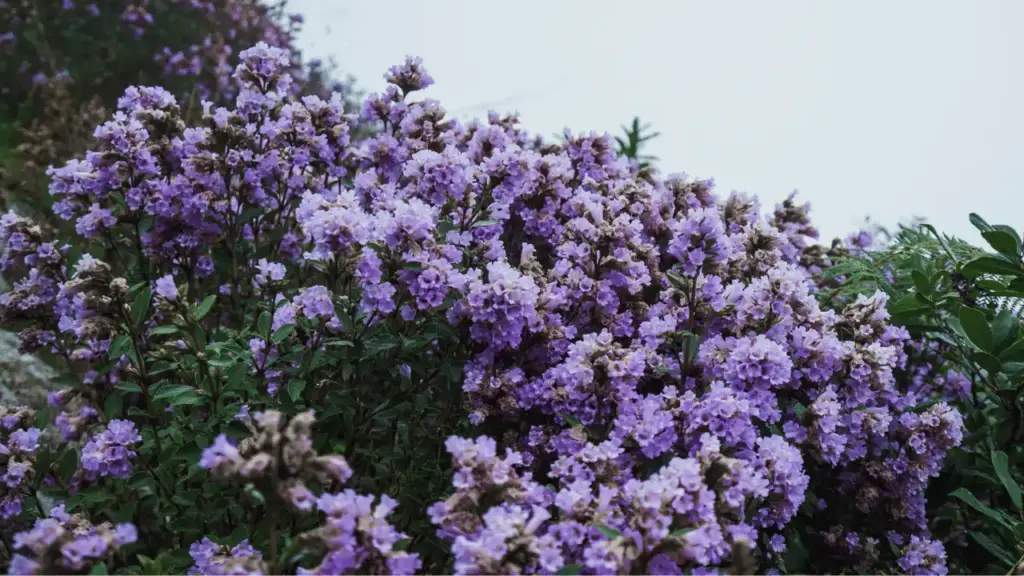
Imagine an entire mountain landscape changing colour.
Once approximately every twelve years, the mass flowering of a particular Neelakurinji species transforms parts of the Western Ghats into remarkable shades of blue and purple.
The most famous species associated with this event is Strobilanthes kunthiana.
Its unusual flowering cycle attracts considerable attention from botanists, nature lovers and travellers.
The last widely celebrated mass flowering season in Munnar occurred in 2018. Although the next cycle is broadly associated with 2030, flowering conditions and locations can vary.
The hills are spectacular throughout the year, so there’s no need to wait for this rare botanical event to experience their beauty.
Important visitor information: Eravikulam National Park closes its tourism area seasonally to protect wildlife during the Nilgiri tahr’s calving season. Check the official park website for opening dates, tickets and current visitor restrictions before travelling.
4. Five Unforgettable Places to Visit in Munnar
Munnar is an excellent destination for travellers who enjoy scenic drives and outdoor exploration.
Beyond its famous tea gardens and national park, you’ll discover beautiful lakes, mountain viewpoints and spectacular waterfalls.
Here are five experiences worth including in your itinerary.
1. Top Station: Where the Mountains Meet the Sky
If you enjoy extraordinary mountain views, Top Station deserves a place on your itinerary.
Located approximately 32 kilometres from Munnar town, Top Station stands at around 1,700 metres above sea level.
The viewpoint offers sweeping views of the Western Ghats and the valleys extending towards neighbouring Tamil Nadu.
On a clear day, mountains stretch into the distance. On misty mornings, clouds can fill the valleys below.
The journey itself is part of the experience. The route winds through beautiful mountain landscapes, passing tea plantations, lakes and scenic viewpoints.
Top Station also has an interesting connection with Munnar’s tea industry. The area once formed part of a transport network used to move tea from the mountains to markets beyond the region.
Travel tip: Start early and allow time for stops along the way. Visibility can change quickly, so spectacular views depend on the weather.
2. Mattupetty Dam: A Peaceful Mountain Escape
Surrounded by rolling green hills, Mattupetty is one of Munnar’s popular sightseeing destinations.
The area is known for its dam, picturesque reservoir and beautiful mountain scenery.
Depending on operating conditions, visitors may be able to enjoy boating on the lake.
The surrounding landscape also offers opportunities for photography and relaxation.
Mattupetty is particularly suitable for families and travellers who prefer gentle sightseeing to strenuous outdoor activities.
Combine your visit with nearby Echo Point, Kundala Lake or Top Station for an enjoyable day exploring the region.
3. Echo Point: Where Nature Answers Back
Have you ever shouted towards a mountain and heard your own voice return?
That’s the experience that gives Echo Point its name.
Located along the scenic route towards Top Station, this popular destination offers a combination of lake views, green hills and the area’s familiar mountain atmosphere.
The natural echo phenomenon makes it especially entertaining for families travelling with children.
However, Echo Point is much more than a place to test your voice.
It’s also an opportunity to enjoy the scenery, take photographs and appreciate the natural beauty of Munnar’s highlands.
Visit during quieter periods if you’d prefer a more relaxed experience.
4. Attukad Waterfalls: Nature in Full Flow
Munnar’s mountain landscapes are home to several beautiful waterfalls, and Attukad is among the most accessible attractions close to town.
Situated between Munnar and Pallivasal, the waterfall descends through a landscape of green hills and dense vegetation.
Its appearance changes with the seasons.
During periods of heavier rainfall, the falls can become particularly dramatic. However, wet conditions can also make surrounding roads and pathways dangerous.
The safest experience is often simply enjoying the scenery from an appropriate viewing area.
Never enter fast-moving water or cross safety barriers in pursuit of a photograph.
For nature photographers, the combination of falling water, vegetation and mountain scenery provides plenty of inspiration.
5. Kolukkumalai: Tea Above the Clouds
If you thought Munnar’s tea plantations were impressive, wait until you discover Kolukkumalai.
Situated near Munnar, across the border in Tamil Nadu, Kolukkumalai is famous for its extraordinarily high-elevation tea plantations.
The estate stands at approximately 7,900 feet above sea level and is widely promoted as one of the world’s highest tea estates.
Its remote location makes reaching it an adventure.
Visitors generally approach through the Munnar region and use a jeep for the rough final section of the journey.
At the estate, you’ll discover spectacular mountain views and a historic tea factory associated with traditional tea-processing techniques.
Sunrise excursions are particularly popular when conditions allow.
However, the journey can be uncomfortable for travellers who dislike rough roads. Choose a reputable local operator, check access conditions and consider whether the experience is suitable for everyone in your group.
For tea enthusiasts and adventurous travellers, Kolukkumalai offers a distinctive experience beyond the familiar tourist attractions of Munnar.
5. A Taste of Munnar: Tea, Spices and Kerala’s Mountain Flavours
A journey through Munnar isn’t complete without exploring its food.
After spending a morning in the mountains, there’s something particularly satisfying about sitting down to a hot drink and a freshly prepared meal.
Munnar’s culinary experiences reflect its tea-growing heritage, Kerala’s broader food traditions and influences from neighbouring regions.
Start with tea.
Whether you prefer a strong cup with milk, delicate black tea or a warming blend flavoured with cardamom, Munnar is an enjoyable destination for tea lovers.
You can also explore Kerala’s traditional cuisine.

Five flavours to try during your visit
1. Freshly brewed local tea
Enjoy the drink that helped make Munnar famous. If you’re interested in tea, try tasting different varieties and learning how their processing affects flavour.
2. Appam and vegetable stew
Soft, delicate appam served with gently spiced coconut milk stew is a comforting breakfast, particularly on a cool mountain morning.
3. Kerala puttu and kadala curry
This traditional combination of steamed rice flour and coconut, served with a flavourful chickpea curry, is both satisfying and distinctive.
4. Kerala-style fish curry
Kerala’s fish dishes are famous for their combination of spices, souring ingredients and regional cooking techniques. Look for restaurants serving freshly prepared local specialities.
5. Cardamom and other mountain spices
The surrounding high ranges are associated with spice cultivation. Explore the aromas of cardamom, pepper, cinnamon and other ingredients that give Kerala’s cuisine its unmistakable character.
If you have time, consider arranging an authorised spice plantation visit to understand how some of these ingredients are grown.
You may return home with a renewed appreciation for both tea and spices.
6. Beyond the Tourist Trail: Discovering Munnar’s Quieter Side
There’s a difference between visiting a destination and experiencing it.
Munnar’s major attractions deserve their popularity, but the surrounding region offers plenty of opportunities to slow down and discover something different.
Consider spending an afternoon exploring an authorised nature trail, visiting a quieter viewpoint or simply sitting outside your accommodation with a cup of tea.
The mountains are particularly beautiful when you give yourself time to appreciate them.
Discover the region’s villages
Beyond Munnar’s busy tourist centre are mountain communities with their own agricultural traditions, history and ways of life.
Places such as Vattavada and Kanthalloor are known for landscapes and farming traditions that differ from the familiar tea-growing scenery.
Depending on the season, you may encounter vegetable farms, orchards and rural markets.
If you’re interested in local culture, consider visiting with a knowledgeable guide or joining an organised community-based tourism experience.
Support local businesses, respect private property and always ask permission before photographing residents.
Explore the mountains on foot
For outdoor enthusiasts, the wider Munnar region offers trekking and guided nature experiences.
Routes vary considerably in distance, difficulty and accessibility.
Some areas require official permission, while others are accessible only through authorised operators.
Choose an activity suited to your fitness level, the weather and any relevant environmental restrictions.
Even a short, permitted walk can provide a refreshing alternative to spending the entire holiday in a vehicle.
Enjoy the pleasure of doing nothing
Not every travel experience needs an itinerary.
Sometimes the best way to enjoy Munnar is to find accommodation overlooking the hills, sit outside with a book and watch the clouds drift across the landscape.
Take an unhurried breakfast. Enjoy the sound of birds. Watch the colours of the mountains change as the sun moves across the sky.
It’s an experience that’s difficult to photograph but easy to remember.
7. Planning Your Perfect Munnar Holiday
Munnar can be enjoyed as a short mountain escape or as part of a longer Kerala holiday.
A little advance planning will help you enjoy the region without spending too much time travelling between attractions.
What is the best time to visit Munnar?
The best time to visit Munnar depends on the experience you’re looking for.
October to February: Cool weather and mountain sightseeing
These months are generally popular for sightseeing, outdoor activities and enjoying Munnar’s cooler climate.
Clear days can offer beautiful mountain views, although fog and mist remain possible.
December and January can be particularly cool, especially during the evenings and early mornings.
March to May: A refreshing escape from the plains
The summer months can be warmer during the day, but Munnar’s elevation often makes it appealing compared with hotter lowland destinations.
This can be a suitable period for family holidays, particularly when outdoor activities are scheduled for the cooler parts of the day.
June to September: The beauty of the monsoon
The southwest monsoon transforms the landscape into beautiful shades of green.
Waterfalls can become particularly dramatic, and mist frequently covers the mountains.
However, the rainy season also brings important safety considerations, including slippery roads, poor visibility and the possibility of landslides.
Avoid unnecessary mountain travel during severe weather warnings and follow official local advice.
How to reach Munnar
Munnar is accessible by road from several major destinations in Kerala and neighbouring states.
By air
Cochin International Airport near Kochi is a convenient airport for travellers visiting Munnar.
The road distance is approximately 110 kilometres, depending on your route and starting point.
Allow around three to four hours for the journey under favourable conditions, and longer if you’re planning sightseeing stops or encountering traffic.
By train
Aluva is a convenient railway station for many travellers heading towards Munnar. Ernakulam’s main stations provide additional rail connections.
From these stations, you can continue your journey by taxi or bus.
By road
Travelling to Munnar by road can be a memorable part of the holiday.
The journey takes you through changing landscapes, from lower-lying settlements to forests, hills and plantation country.
If you’re hiring a vehicle, consider using a driver experienced with Kerala’s mountain roads.
Always allow additional travelling time during rainy or busy periods.
Where to stay in Munnar
Munnar offers accommodation for different travel preferences and budgets.
Tea-estate accommodation: Suitable for visitors who want to experience the character of Munnar’s plantation landscape.
Boutique mountain resorts: Often chosen by couples and travellers looking for scenic views and a relaxing atmosphere.
Family-friendly hotels: A practical choice for travellers who value convenient access to sightseeing attractions.
Homestays: An opportunity to enjoy local hospitality, regional food and a more personal travel experience.
When choosing accommodation, remember that properties advertised as being in Munnar may be some distance from the town centre.
Check the location carefully, particularly if you won’t have your own transport.
8. The Perfect Three-Day Munnar Itinerary
Wondering how many days you need in Munnar?
Three days is a good starting point for first-time visitors. It allows you to enjoy the destination’s major attractions without making your holiday unnecessarily rushed.
Here’s a suggested itinerary.
Day 1: Tea Gardens, History and Mountain Views
Morning: Arrive in Munnar, settle into your accommodation and enjoy your first views of the surrounding tea plantations.
Afternoon: Visit the Munnar Tea Museum and discover the region’s fascinating tea-growing heritage.
If you have arranged an authorised plantation tour, this is an excellent opportunity to learn about cultivation and processing.
Evening: Enjoy a relaxed meal and find a scenic place to watch the changing light over the mountains.
Day 2: Eravikulam National Park and Munnar’s Wildlife
Morning: Visit Eravikulam National Park, subject to seasonal opening dates and ticket availability.
Spend time exploring the designated visitor area and look out for the endangered Nilgiri tahr.
Afternoon: Explore another accessible attraction or enjoy a permitted guided nature experience, depending on the weather and your interests.
Evening: Return to your accommodation for a peaceful evening overlooking the hills.
Day 3: Lakes, Waterfalls and Spectacular Viewpoints
Morning: Start early and travel towards Mattupetty Dam.
Enjoy the lake, surrounding scenery and any boating activities that are operating.
Continue towards Echo Point and Kundala Lake.
Afternoon: Visit Top Station for panoramic mountain views before returning to Munnar.
Evening: Enjoy a final cup of local tea and prepare for the next stage of your Kerala journey.
Travellers interested in Kolukkumalai should ideally allow an additional day or replace part of the suggested itinerary with a prearranged excursion.
Remember that travelling through the mountains takes time. Resist the temptation to fit too many attractions into one day.
9. Keeping Munnar Fabulous: Why Responsible Travel Matters
Munnar is beautiful, but its landscapes are also environmentally sensitive.
The Western Ghats support extraordinary biodiversity, including species found nowhere else in the world.
At the same time, the region is home to agricultural communities, plantation workers and people whose livelihoods depend on the mountains.
Responsible travel helps protect these landscapes while ensuring that tourism benefits the people who live there.
Fortunately, enjoying Munnar responsibly doesn’t have to be complicated.
Choose locally owned accommodation and restaurants where practical. Book experiences with responsible operators and qualified guides.
Avoid leaving litter, particularly in forest areas and near water bodies.
Respect plantation boundaries. Never assume that a beautiful landscape is automatically open to visitors.
When observing wildlife, maintain a safe distance and follow the instructions of park staff.
Most importantly, resist the temptation to rush through everything.
Explore fewer places, spend more time appreciating them and remember that protecting Munnar is part of enjoying it.
The hills, forests and communities that make this destination special deserve consideration from everyone who visits.
10. Frequently Asked Questions About Munnar
Is Munnar worth visiting?
Absolutely, particularly if you enjoy nature, mountain scenery, photography and outdoor experiences.
Munnar offers a refreshing contrast to Kerala’s beaches and backwaters. Its tea plantations, national park, mountain viewpoints and cool climate make it an interesting addition to a wider Kerala itinerary.
How many days are enough for Munnar?
Two to three days is generally sufficient for a first visit covering the main attractions.
If you’re interested in trekking, plantation experiences or exploring the surrounding villages, consider extending your stay to four or five days.
What is Munnar most famous for?
Munnar is best known for its beautiful tea plantations, mist-covered mountains and cooler highland climate.
Other major attractions include Eravikulam National Park, the endangered Nilgiri tahr, Anamudi, Top Station and nearby scenic lakes and waterfalls.
Which month is best for visiting Munnar?
October to February is generally a popular period for cooler weather and sightseeing.
However, the ideal month depends on your interests, preferred climate and tolerance for crowds.
Always check local weather conditions before undertaking outdoor activities.
Can I visit Eravikulam National Park throughout the year?
No.
The park’s tourism area closes seasonally during the Nilgiri tahr’s calving period, and additional restrictions may apply.
Confirm current opening dates and visitor requirements through the official park website before planning your visit.
Is Munnar suitable for a family holiday?
Yes. Munnar offers plenty of family-friendly attractions, including tea museums, scenic viewpoints and lakes.
Choose activities based on the ages and interests of your family members. Remember that some mountain excursions involve lengthy drives, rough roads or considerable walking.
Can I see the Neelakurinji flowers in Munnar?
Neelakurinji is famous for its rare mass flowering cycle, which occurs approximately once every twelve years for the best-known species.
The last widely celebrated mass flowering season in Munnar occurred in 2018. The next corresponding cycle is expected around 2030, although the actual flowering depends on environmental conditions and the location.
Is Munnar better than Kerala’s backwaters?
They offer completely different experiences.
Munnar is ideal for exploring mountain landscapes, tea plantations and highland nature.
Kerala’s backwaters offer peaceful waterways, houseboat journeys, village scenery and an entirely different perspective on local life.
If your itinerary allows, experience both.
Munnar: More Than a Destination, It’s a Feeling
Some places impress you with extraordinary monuments. Others overwhelm you with exciting attractions.
Munnar has a different way of capturing your imagination.
It invites you to slow down.
Perhaps your favourite memory will be standing on a mountain viewpoint, watching the clouds float across the valleys.
Perhaps it will be your first encounter with a Nilgiri tahr, a sunrise over a tea plantation or a conversation with someone who has spent their entire life in the mountains.
Or perhaps it will be something much simpler.
A quiet morning. A magnificent view. A warm cup of tea.
Long after you’ve returned home, you may forget the names of individual viewpoints or the exact route you travelled.
But you’ll remember the mountains.
You’ll remember the mist.
And you’ll remember how Munnar made you feel.
Come for the tea gardens. Stay for the mountains. Leave with memories that last a lifetime.
Discover more remarkable destinations, authentic experiences and unforgettable journeys with Fabulous Kerala. We don’t just write about Kerala. We help you experience it.